islamic books minhajbooks.com islamic books minhajbooks.com minhajbooks.com minhajbooks.com minhajbooks.com
 Islamic Books minhajbooks.com
Home Islamic Books About us English Books Arabic Books Download Books Text format Books Contact Us Images format Books Buy Books at www.Minhaj.biz Urdu Books
Do you want more & more books to download for FREE? We need your help, it will be a great sadqa e jariah. Click for details...
Home
Complete Index
New Printed
New Online
New in Text
New in Images
Top Read
Top Downloads
Shaykh-ul-Islam
Farid-e-Millat
Dr Hussain Qadri
Online Sponsors
Reviews
Contact Us
The Quran
The Hadith
Science of Faith
Science of Beliefs
The Prophet's life
Finality
Jurisprudence
Morality
Religious Litanies
Economics
Ideologies
Constitutions
Celebrities
Islam & Science
Human Rights
Islamic Teachings
English Books
Poetry
Farid-e-Millat
H. Mohi-ud-Din
MISc
minhajbooks.com Read
Irfan-ul-Quran
Economics of Agriculture - Wheat
Exegesis of the Holy Quran (Sura al-Fatiha; Part-I)
Beginning the Qur’an with the Name of Allah
The Philosophy of Beginning with the Name of Allah
The Gnostic Secrets of the Name ‘Allah’
Scientific Research about ‘the Sustainer of the Worlds’
The Quranic Concept of ‘No Coercion in Din’
Arba‘in Series: Virtues of the Holy Prophet (PBUH)
Glad Tidings for the Believers about the Prophetic Intercession
The Rebuttal of Sayyiduna ‘Ali’s Sovereignty
Authentic Saying about the Awaited Imam: Mahdi (A.S.)
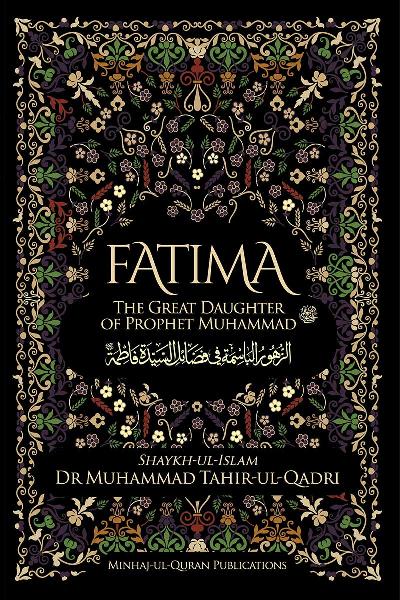
Glittering Pearls of the Virtues of Sayyida Fatima (S.A.)
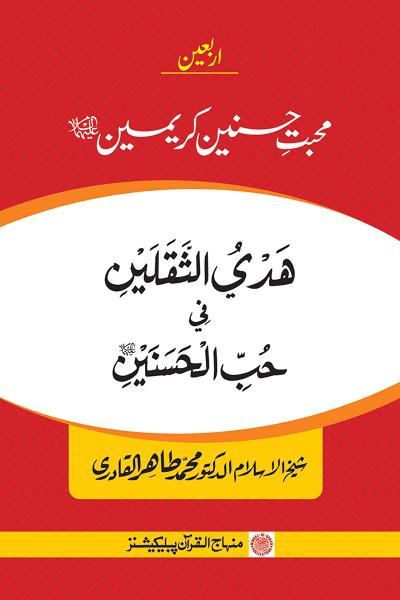
Virtues of Imam Hasan and Imam Husayn (R.A.)
Merits and Virtues of Sayyiduna Abu Bakr (R.A.)
Virtues of the Remembrance of Allah and Rememberers
Full-shine Blessings of Invoking Salutations on the Exalted Prophet (PBUH)
Completion of Scripture with the Chains of Authority of Imam Abu Hanifa (R.A)
The Prophetic Enlightenment on Hanafite Chains of Authority
The Straight Road from the Prophetic Traditions
Merits and Virtues of Sayyiduna Umar b. al-Khattab
Merits and Virtues of Sayyiduna ‘Uthman b. ‘Affan
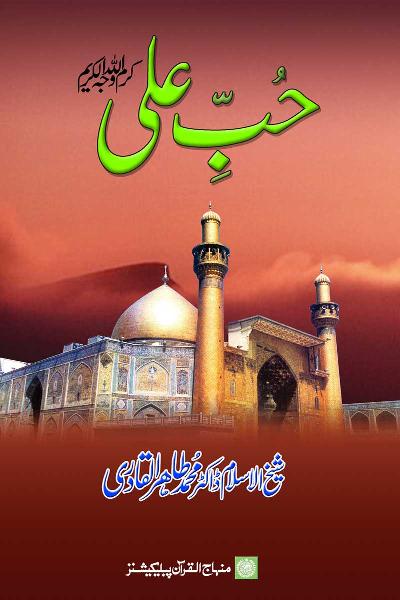
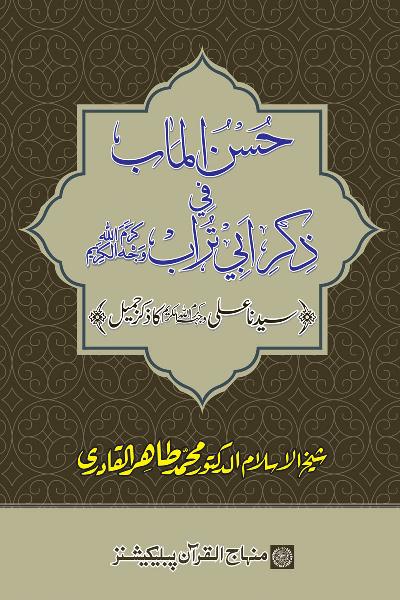
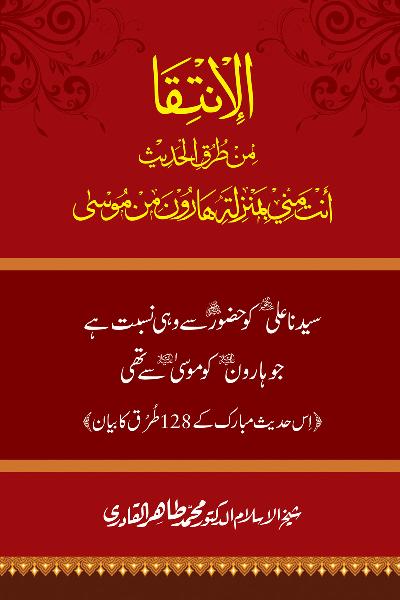
Merits and Virtues of Sayyiduna ‘Ali (R.A.)
The Reality of the Oneness of Allah and the Messengership
Belief in Messengership
Hypocrisy and its Signs
Book on Oneness of Allah (vol. I)
Book on Oneness of Allah (vol. II)
Post-Demise Life of the Prophet
Beseeching for Help and its Legal Status
Book on Intermediation
The City of Medina and Visit to the Prophet’s Mausoleum
Sending of Blessings to the Deceased and its Legal Status
Scholarly Judgment on Objections against Dreams and Glad Tidings
Innovation: Views of the Imams and Hadith-Scholars
Preamble to the Biography of the Messenger (PBUH) (part-I)
Biography of the Holy Messenger (PBUH)
Contemporary and International Importance of Biography of the Holy Messenger (PBUH)
The Light of Muhammad (PBUH): From Creation to Birth
The Birth of the Holy Prophet (PBUH)
History of Celebration of the Birth of the Holy Prophet (PBUH)
The Birth of the Holy Prophet (PBUH):
The Philosophy of Prophet’s Ascension (PBUH)
The Holy Prophet (PBUH):
The Holy Names of the Prophet (PBUH)
Attributes of the Holy Prophet (PBUH)
The Features of the Holy Prophet (PBUH)
The Blessings of the Prophet (PBUH)
The Virtues of Greetings and Salutations
The Captives of Prophet’s Beauty
Belief in the Finality of Prophethood
Belief in Finality of Prophethood and Mirza Ghulam Ahmad Qadian
Pillars of Islam
The Philosophy of Fasting
The Philosophy of Hajj
The Status of al-Hidaya and its Author in the History of Jurisprudence
The Dictates of the Islamic Law
Politics & International Relations
The Reality of Spiritualism
The Practical Guide for Mysticism and Spiritualism
Remembrance and the Company of the Pious
The Excellence of Actions
The Excellence of Morality
The Spiritual Disorder and its Cure
Life is a Clash between Good and Evil
Everyone is a Slave to his Likes and Dislikes
Our Real Homeland
The Qur’anic Way of Training
The Reality of Spiritual Retreat
The Blessings of Muhammad (PBUH)
The Supplications of Imam Zayn al-‘Abidin
The Islamic Concept of Knowledge
Reform-Seeking Aspects of Religious and Secular Science
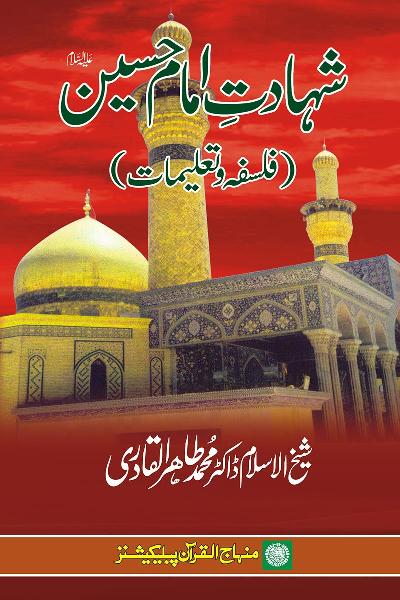
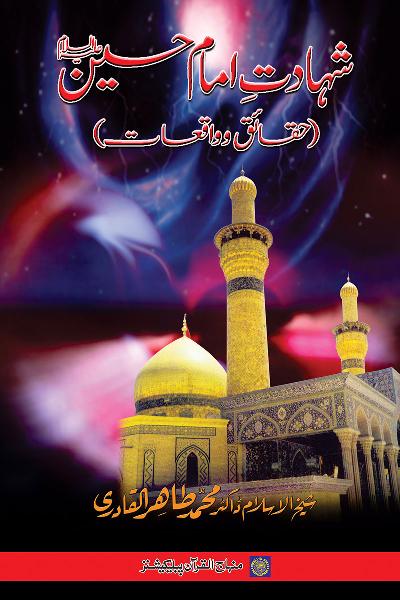
Martyrdom of Imam Husayn (A.S.):
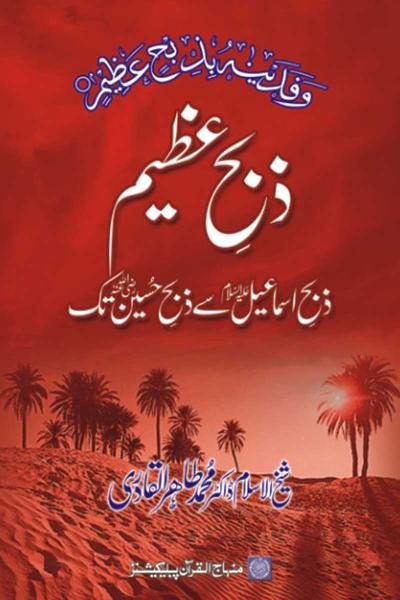
The Great Slaughter—Isma‘il to Husayn (A.S.)
How to End Sectarianism?
Our Religious Decline and the Three-Pronged Path to Stem it
Gifted Capacity to Serve Religion
Quranic Philosophy of Preaching
The Objective of Raising of the Prophets (A.S.)
The Political Stand-off and its Islamic Solution
The Constitutional Analysis of Medina Pact
Islamic Concept of Imprisonment and Jail
The Life of Sayyida Khadija al-Kubra (R.A)
Life of Sayyida ‘A’isha Siddiqa (R.A.)
The Scholarly Discipline of Imam Ahmad Raza Khan (Brelvi)
Iqbal’s Dream and Today’s Pakistan
Iqbal and the message of the Prophet’s love
Iqbal’s Man of Faith
Islam and modern science
The Creation of Universe
The Eminent Station of Saints
Human Rights in Islam
Rights of Parents
Human Rights
Islamic Teachings Series (1): Teachings of Islam
Islamic Teachings Series (2): Faith (Iman)
Islamic Teachings Series (3): Peace and submission (Islam)
Islamic Teachings Series (4): Spiritual and Moral Excellence (Ihsan)
The Philosophy of Religious Reconstruction and Modern Age
The Path to Sermons on Fridays and ‘Id Days
The Compassion and Clemency of the Chosen Prophet (PBUH)
The Hanafite Manner of Ritual Prayer (in the Light of Prophetic Sunna)
An Explication of Tarawih Prayer
Supplication and Remembrance after Ritual Prayer
Warning to the Prophet’s Denigrators
The Philosophy of Human Rights and Proprieties
Glaring Signs of Merits and Virtues
Relationship of Servitude with Allah Almighty
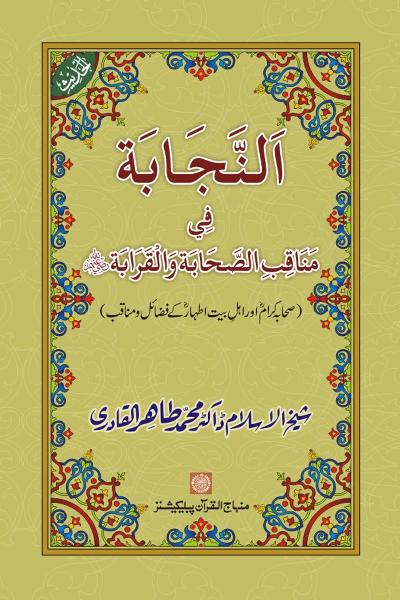
Virtues of the Companions
Virtues of Prophet’s Household
Merits and Virtues of the Mothers of the Believers (may Allah be well pleased with them)
Merits and Virtues of Saints and the Pious
Book on Innovation
The Glorious Quran
Sirat-ur-Rasul (PBUH), vol. 1
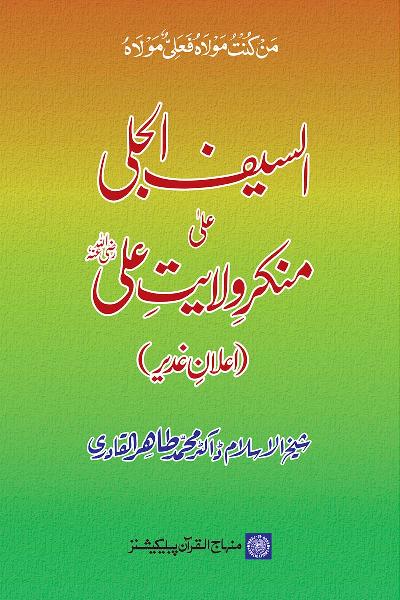
The Ghadir Declaration
The Awaited Imam
Creation of Man
Beseeching for Help (Istighathah)
Islamic Concept of Intermediation (Tawassul)
Greetings and Salutations on the Prophet (PBUH)
Spiritualism and Magnetism
Islam on Prevention of Heart Diseases
Islamic Philosophy of Human Life
Islamic Concept of Human Nature
Divine Pleasure (the Ultimate Ideal)
Islam and Freedom of Human Will
Islamic Concept of Law
Quranic Basis of Constitutional Theory
Creation and Evolution of the Universe
Virtues of Sayyidah Fatimah (S.A.)
Safarnama
Demands of Care in Beliefs
Seven Pillars of the Belief in Oneness of God
Belief in the Oneness of God and the Concept of other than Allah
The Best Way of Excellence of Merits and Virtues of Prophets (A.S.)
Rights of Children in Islam
Rights of Minorities in Islam
Rights of the Old and the Disabled in Islam
Women Rights in Islam
Basic Principles of the Study of Prophet’s Life
Constitutional Importance of Life of the Holy Messenger (PBUH)
Religious Significance of the Life of the Holy Messenger (PBUH)
The Scientific Import of the Biography of the Holy Messenger (PBUH)
The Administrative Import of the Biography of the Holy Messenger (PBUH)
The Aesthetic Exposition on the Prophet’s life
The State Import of the Biography of the Holy Messenger (PBUH)
The Blessed Objects and their Legal Status
Blessings of the Holy Qur’an and its Recitation
The Preliminaries of the Belief in Oneness of God
The Medials of Law
Visitation of Graves
Preamble to the Biography of the Messenger (PBUH) (part-II)
Belief in the Oneness of God and the Commonality of Attributes
Greetings for the Holy Prophet (PBUH) contained in the Qur’anic Surahs
The Alphabetic Names of the Holy Prophet (PBUH)
The Excellent Source of Salutations for the Birthday Celebrations
Intermediation: in the Eyes of Jurists and Hadith-Scholars
Economic System of Islam (Reconstruction)
Nisab e Itikaf
Islamic Concept of Knowledge
The Gnostic Secrets of Aya al-Kursi
Imam Abu Hanifa: The Leading Imam in Hadith (vol. I)
Ijtihad (meanings, application and scope)
Pearls of Remembrance
The Application of the Word ‘Innovation’
The Kinds of Innovation
The Personal and Prophetic Import of the Biography of the Holy Messenger (PBUH)
The Cultural and Civilizational Import of the Biography of the Holy Messenger (PBUH)
The Economic Significance of the Biography of the Holy Messenger (PBUH)
The Rightly-Guiding Dissertation on Principles of Prophetic Traditions and the Branches of Islamic Doctrine
Significance of Promoting Knowledge and Awareness
The Harmonious Way of Calling to Islam’s Peace Programme
Unveiling the Love of Inanimate and Animate Kingdoms for the Sovereign of the Pious
The Highness of the First in Creation and the Last in Messengership
The Majesty and Authority of the Holy Prophet (PBUH)
Unveiling the Gnosis of the Qur’anic Oaths for the Prophet (PBUH)
Elections or Electoral System?
Eulogy of the Beloved Prophet (PBUH), a Source of Inner Delight: Selected Quranic Verses and Traditions
Supplication and its Manners
Islam and Public Welfare
Islamic Concept of Ownership
The Basics of Islamic Economic System
Is Celebration of the Prophet’s Birth an Innovation?
Islamic Teachings Series (5): Cleanliness and Prayer
Intercession Substantiated by Fine Traditions
Imam Azam’s Benefitting from the Companions and Imams of Prophet’s Household
Imam Azam and Imam Bukhari (R.A.)
The Life and Raising of Jesus Christ and the Birth of the Awaited Imam
Charter of Guidance for the Muslim Umma Derived from the Qur’an and Hadith (vol. I)
Selection from Imam al-‘Asqalani’s Chains of Authority linked to the Leading Spiritualists and Gnostics of Divine Knowledge
Sayyiduna Siddiq Akbar’s Status of Nearness and Companionship
Collection of Prophetic Traditions on Divine Mercy
Seeking Blessings and Intermediation of the Holy Prophet (PBUH)
The Covenant of the Realm of Spirits and the Majesty of Allah’s Beloved Messenger (PBUH)
The Prophetic Glory on the Day of Reckoning
An Account of Imam A‘zam’s Hadith Collections (Masanid)
Remembering Farid al-Milla
Authentication of Hasan’s Hearing of ‘Ali (R.A.) - Urdu
The Excellence of Merits and Virtues of the Companions and Prophet’s Kindred
The Virtues of Greetings and Salutations and the Prophet’s Majesty
The Curricula of Training (part-I)
The Rituals of Milad Celebrations
Islamic Teachings Series (6): Fasting and Spiritual Retreat
Economics of Agriculture Industry in Pakistan Vol. 1
Economics of Natural Resources
Management
Economics of Natural Resources - Power
Poetry
Economics of Agriculture - Sugar
Establishment of Ritual Prayer, A Source of Deliverance
A Collection of the Prophet’s Supplications and Litanies
The Blessings of the Greetings and Salutations - Urdu
The Excellence of Merit of Fasting and Night Vigil
As-Subul al-Wahabiyya fi al-Asanid adh-Dhahabiyya
Al-Jawahir al-Bahira fi al-Asanid at-Tahira
Terrorism and the Tribulation of the Kharijites
Fatwa on Terrorism and Suicide Bombings
Arba‘in Series: Holy Names of the Messengeri (PBUH)
Arba‘in Series: Intermediation of the Prophet (PBUH)
Arba‘in Series: Blessings of the Visitation of the Prophet’s Mausoleum
The Prophetic Distinction in the Worldly Attributes
Protection of Life and Property of non-Muslims in an Islamic State
The Three Grades of Islamic Faith:
The Prophetic Majesty in the Pre-resurrection Attributes
Arba‘in Series: The Bestowing Mercy of the Beloved Messenger (PBUH)
Arba‘in Series: The Prophet (PBUH) is Alive
The Tribulation of Kharijites
Arba‘in Series: The Prophet’s Knowledge of the Unseen
al-Manhal-us-Safi fi Ziarat e Qabr-in-Nabi (PBUH)
Arba‘in Series: Nobility in Seeking Blessings from the Prophet i (PBUH)
Arba‘in Series: The Prophetic Authority on Legislative Matters
Arba‘in Series: Litanies after Obligatory Ritual Prayers
The Minhaj-ul-Quran Movement: The Concept of Din
Ijtimai Tehreeki Zindagi
Economics of Agriculture Industry in Pakistan Vol. 2
The Merits of Selected Chapters of the Holy Quran
The Sanctity of Muslim Blood
Saints’ Narration Series: Ibn al-Arabi’s Hadith Reports Contiguously Ascending (marfu‘ muttasil) to the Prophet (PBUH)
Saints’ Narration Series: Imam al-Sulami’s Hadith Reports Contiguously Ascending (marfu‘ muttasil) to the Prophet (PBUH)
Saints’ Narration Series: Imam al-Qushayri’s Hadith Reports Contiguously Ascending (marfu‘ muttasil) to the Prophet (PBUH)
Saints’ Narration Series: Imam al-Suharwardi’s Hadith Reports Contiguously Ascending (marfu‘ muttasil) to the Prophet (PBUH)
Masail e Zakat
The Pure Pearls of the Prophetic Features
The Exalted Meanings of the Prophetic Traits
Islamic Teachings Series (7): Hajj and Visitation
Arba‘in Series: The Companions’ Rapturous Love for the Beloved Messenger
Arba‘in Series: Virtues of the Rightly-Guided Caliphs
Arba‘in Series: The Remembrance of Sayyiduna ‘Ali (karam Allah wajhah al-karim)
Holy Journey
Belief in the Destiny
Arba‘in Series: The Faith-Inspiring Visitation of Graves
Arba‘in Series: The Faith-Inspiring Incidents of the Companions l in Obedience to the Prophet (PBUH)
Arba‘in Series: The Remembrance of the Companions (R.A.)
bad Intizami ya Azab e Elahi! Nijat kesay Mumkin hay?
Forty Prophetic Traditions on the Virtues of the Quran
Arba‘in Series: Excellence of Greetings and Salutations on the Holy Prophet (PBUH)
The Real Change in Pakistan—how and why?
Shaykh-ul-Islam: Tanqeed - Karnamy - Taasuraat
The Sublimity of the Prophetic Attributes
The Prophetic Conquests in the Post-resurrection Attributes
Arba‘in Series: Virtues of the Month of Ramadan
Arba‘in Series: Virtues of Supererogatory Fasting
Arba‘in Series: Virtues of the Destiny Night and Spiritual Retreat
Arba‘in Series: Blessings of Zakat
Arba‘in Series: Blessings of Charity
Arba‘in Series: Virtues of Hajj and Visitation
Arba‘in Series: Blessings of Donating Reward to the Deceased
Introduction to the Fatwa on Suicide Bombings and Terrorism
Namaz
Bedari-e-Shaoor (Zaroorat-o-Ahmiyyat)
Arba‘in Series: Farhatul-ul-Qulub fi Madh-in-Nabi al-Mahbub (S.W.A)
Arba‘in Series: Tuhfatu Nubala Fi Fadle Russule wl Anbiya
Arba‘in Series: Husn-ul-Kalam min Madah-e-Sahaba Khair un Anam (S.W.A)
Arba‘in Series: al-Madaih-ul-Hisan min Kalam-e-Hassan
Arba‘in Series: Idrak fi Fazl-il-Infaq wa Zam-il-Imsak
Arba‘in Series: Lawaami fi Fadl-il-Jawaami
Nuzool-ul-Farhatain fi Yawm-il-Eidayn
Siyasat nahin, Riyasat Bachao:
Islamabad Long March
Falsafa e Tehreek


Islamic Library - Islamic Teachings Series > Islamic Teachings Series (7): Hajj and Visitation >

Islamic Teachings Series (7): Hajj and Visitation

Online publishing of this book is sponsored by: Arifa Ahmed   
Click here to sponsor online version of this book.      

سوال 10 : حج کسے کہتے ہیں؟

جواب : حج دین اسلام کا پانچواں رکن ہے، جس کے لفظی معنی ہیں ’قصد کرنا، کسی جگہ ارادے سے جانا‘ جبکہ اصطلاح شریعت میں اس سے مراد مقررہ دنوں میں مخصوص عبادات کے ساتھ اﷲ تعالیٰ کے گھر کی زیارت کرنا ہے۔

(ابن منظور افريقی، لسان العرب، 3 : 52)

سوال 11 : عمرہ کسے کہتے ہیں؟

جواب : حج کے مقررہ دنوں کے علاوہ بھی کسی وقت مخصوص عبادات کے ساتھ اللہ تعالیٰ کے گھر کی زیارت کرنے کو عمرہ کہتے ہیں۔ اصطلاحِ شریعت میں عمرہ سے مراد شرائطِ مخصوصہ اور افعالِ خاصہ کے ساتھ بیت اﷲ شریف کی زیارت کرنا ہے۔

(الجزيری، الفقه علی المذاهب الاربعة، 1 : 1121)

سوال 12 : میقات کسے کہتے ہیں؟

جواب : وہ آخری مقام جہاں سے حج یا عمرہ کا ارادہ کرنے والے کا احرام کے بغیر آگے بڑھنا جائز نہیں، میقات کہلاتا ہے۔

سوال 13 : حدودِ حرم سے پہلے کون سے مقامات بطورِ میقات مقرر ہیں؟

جواب : حدودِ حرم سے پہلے جن مقامات کو حضور نبی اکرم صلی اللہ علیہ وآلہ وسلم نے بطور میقات مقرر فرمایا وہ پانچ ہیں۔

حضرت جابر بن عبد اللہ رضی اللہ عنہ بیان کرتے ہیں کہ حضور نبی اکرم  صلی اللہ علیہ وآلہ وسلم نے فرمایا اہل مدینہ کے لئے احرام باندھنے کی جگہ ذوالحُلیفہ ہے اور دوسرا راستہ جُحفہ ہے اور اہل عراق کے لئے احرام باندھنے کی جگہ ذاتِ عرق ہے، اہل نجد کے لیے قرن المنازل ہے اور اہل یمن کے لئے یَلَمْلَمْ ہے۔

(مسلم، الصحيح، کتاب الحج، باب مواقيت الحج و العمره، 2 : 841، رقم : 1183)

سوال 14 : پاکستانیوں کا میقات کون سا ہے؟

جواب : پاکستانیوں کا میقات یَلَمْلَمْ ہے، جہاں اہلِ پاکستان احرام باندھتے ہیں، جو جدہ سے پہلے آتا ہے۔

سوال 15 : حِلّ کسے کہتے ہیں؟

جواب : حدودِ حرم کے باہر چاروں طرف جو زمین میقات تک ہے، اسے حِلّ کہتے ہیں اور جو شخص زمین حِلّ کا رہنے والا ہو اسے حِلّی کہتے ہیں۔ اس جگہ وہ تمام چیزیں حلال ہیں جو حرم میں احتراماً منع ہیں۔

سوال 16 : حرمِ کعبہ کسے کہتے ہیں؟

جواب : مکہ معظمہ کے اردگرد کئی کوس تک زمین کو حرم کا درجہ دے دیا گیا ہے۔ ہر طرف حدود پر نشانات لگے ہوئے ہیں، ان حدود کے اندر شکار کھیلنا، وحشی جانوروں حتیٰ کہ جنگلی کبوتروں کو تکلیف و ایذا دینا، جانوروں کو گھاس چرانا بلکہ تر گھاس اکھیڑنا بھی حرام ہے۔ مکہ مکرمہ، منیٰ، مزدلفہ سب حدودِ حرم ہیں، البتہ عرفات داخلِ حرم نہیں۔

سوال 17 : آفاقی کسے کہتے ہیں؟

جواب : وہ شخص جو حج کی نیت سے حدود میقات کے باہر سے آئے، مثلاً یمنی، پاکستانی، بھارتی، مصری، شامی، عراقی اور ایرانی وغیرہ کو آفاقی کہتے ہیں۔ یہ بغیر احرام کے مکہ مکرمہ میں داخل نہیں ہو سکتا۔

سوال 18 : احرام کسے کہتے ہیں؟

جواب : حج یا عمرہ کی باقاعدہ نیت کر کے جو لباس پہنا جاتا ہے اسے احرام کہتے ہیں۔ اس کے بغیر آدمی میقات سے نہیں گزر سکتا۔ یعنی ایک چادر نئی یا دھلی ہوئی اوڑھنے کیلئے اور ایسا ہی ایک تہہ بند کمر پر لپیٹنے کے لئے۔ اس کے پہننے کے بعد بعض حلال چیزیں بھی حرام ہو جاتی ہیں۔

سوال 19 : تلبیہ کسے کہتے ہیں؟

جواب : تلبیہ وہ مخصوص ورد ہے جو حج اور عمرہ کے دوران حالت احرام میں کیا جاتا ہے۔ تلبیہ کے کلمات یہ ہیں :

لَبَّيکَ اَللّٰهمَّ! لَبَّيک، لَبَّيک لَا شَرِيکَ لَکَ لَبَّيکَ، إِنَّ الْحَمْدَ وَالنِّعْمَة لَکَ وَالْمُلْکَ لَا شَرِيکَ لَکَ.

1. مسلم، الصحيح، کتاب الحج، باب التلبية، وصفتها ووقتها، 2 : 841، رقم : 1184
2. ترمذی، السنن، ابواب الحج، باب ما جاء فی التلبية، 2 : 176-177، رقم : 825

’’اے اللہ میں تیری بارگاہ میں حاضر ہوں۔ تیرا کوئی شریک نہیں۔ میں حاضر ہوں۔ تعریف، نعمت اور بادشاہی تیری ہی ہے، تیرا کوئی شریک نہیں۔‘‘

احرام کے لئے ایک مرتبہ زبان سے تلبیہ کہنا ضروری ہے اور نیت شرط ہے۔ الفاظِ نیت یہ ہیں :

اَللّٰهمَّ إِنِّی أُرِيدُ الْحَجَّ يا أُرِيدُ الْعُمْرَة فَيسِّرْه لِیْ يا فَيسِرَها لِی وَتَقَبَّلْه مِنِّی.

’’اے اللہ! میں حج یا عمرہ کی نیت کرتا ہوں، پس اس کو میرے لئے آسان کر دے اور مجھ سے قبول کر لے۔‘‘

سوال 20 : طواف کسے کہتے ہیں؟

جواب : مسجد الحرام میں خانہ کعبہ کے اردگرد بطریقِ خاص چکر لگانے کا نام طواف ہے۔ جس جگہ میں طواف کیا جاتا ہے اسے مطاف کہتے ہیں۔ طواف حجر اسود سے شروع ہوتا ہے اور وہیں ختم ہوتا ہے۔

سوال 21 : طوافِ قدوم کسے کہتے ہیں؟

جواب : مکۃ المکرمہ میں داخل ہونے کے بعد جو پہلا طواف کیا جاتا ہے۔ اسے طوافِ قدوم کہتے ہیں، یہ طواف ہر اس آفاقی کیلئے مسنون ہے جو حج اِفراد یا قِران کی نیت سے مکہ معظمہ میں داخل ہو۔

سوال 22 : طوافِ زیارت کسے کہتے ہیں؟

جواب : طوافِ زیارت حج کا رُکن ہے، چونکہ یہ قربانی، حلق و تقصیر اور اِحرام کھولنے کے بعد عام لباس میں کیا جاتا ہے، اس لئے اس طواف میں اضطباع نہیں۔ یہ طواف 10 ذوالحجہ کی صبح صادق سے لے کر 12 ذوالحجہ غروبِ آفتاب سے پہلے تک ہو سکتا ہے۔ البتہ 10 ذوالحجہ کو کرنا احسن ہے۔ طوافِ زیارت کرنے کے بعد احرام کی تمام پابندیاں ختم ہو جاتی ہیں۔

سوال 23 : طوافِ وداع / طوافِ صدر کسے کہتے ہیں؟

جواب : بیت اللہ سے واپسی کے وقت طواف کرنا، طوافِ وداع کہلاتا ہے۔ اس میں نہ رمل ہے نہ سعی اور نہ ہی اضطباع۔ یہ آفاقی پر واجب ہے۔

سوال 24 : نفلی طواف کسے کہتے ہیں؟

جواب : وہ طواف جو کوئی بھی عاقل شخص مکہ میں قیام کے دوران وقت کی پابندی کئے بغیر کسی بھی وقت ایک یا ایک سے زائد بار کر سکتا ہے نفلی طواف کہلاتا ہے۔ اس طواف میں رمل اور اضطباع نہیں کیا جاتا اور نہ ہی احرام باندھنے کی پابندی ہوتی ہے۔ آفاقی یعنی مسافر کے لئے نفل نماز سے نفل طواف افضل ہے اور اہل مکہ کے لئے طواف سے نماز افضل ہے، مکہ والوں کے لیے یہ حکم فقط موسم حج کے لیے ہے تاکہ آفاقیوں کے لئے جگہ تنگ نہ ہو ورنہ نفل طواف بہتر ہے۔

سوال 25 : اِضْطِبَاع کسے کہتے ہیں؟

جواب : طواف شروع کرنے سے پہلے چادر کو داہنی بغل کے نیچے سے نکال کر دونوں کنارے بائیں کندھے پر اس طرح ڈال دینا کہ دایاں شانہ کھلا رہے، اضطباع کہلاتا ہے۔ حضرت یعلیٰ رضی اللہ عنہ سے مروی ہے کہ ’’حضور نبی اکرم صلی اللہ علیہ وآلہ وسلم نے اضطباع کی حالت میں طواف کیا اور آپ صلی اللہ علیہ وآلہ وسلم پر چادر مبارک تھی‘‘۔ پھر کعبہ کی طرف منہ کر کے اپنی دائیں جانب حجرِ اسود کی طرف چلیں، یہاں تک کہ حجر اسود بالکل سامنے ہو جائے۔ اس کے بعد طواف کی نیت کرے۔

(ترمذی، الجامع الصحيح، کتاب الحج، باب ما جاء أن النبی صلی الله عليه وآله وسلم طاف مضطبعًا، 3 : 214، رقم : 859)

سوال 26 : رَمَلْ کسے کہتے ہیں؟

جواب : طواف کے پہلے تین پھیروں میں تیز قدم اٹھانے اور شانے ہلانے کو رمل کہتے ہیں، جیسا کہ قوی اور بہادر لوگ چلتے ہیں۔

حضرت جابر رضی اللہ عنہ سے مروی ہے کہ حضور نبی اکرم صلی اللہ علیہ وآلہ وسلم جب بیت اﷲ کا طواف فرماتے تو تین مرتبہ رمل فرماتے اور چار مرتبہ چلتے۔

(ابن ماجه، السنن، کتاب المناسک، باب الرمل حول البيت، 3 : 441، رقم : 2951)

سوال 27 : اِسْتِلاَم کسے کہتے ہیں؟

جواب : دونوں ہاتھوں کے درمیان منہ رکھ کر حجر اسود کو بوسہ دینا اور اگر بھیڑ کی وجہ سے ممکن نہ ہو تو ہاتھ یا لکڑی سے چھو کر چوم لینے کا اشارہ کر کے ہاتھوں کو بوسہ دینے کو استلام کہتے ہیں۔

حضرت زبیر ابن عمر رضی اللہ عنہ سے مروی ہے کہ ایک شخص نے حضرت ابن عمر رضی اللہ عنہ سے حجرِ اسود کو بوسہ دینے کے بارے میں پوچھا تو انہوں نے فرمایا کہ میں نے حضور نبی اکرم صلی اللہ علیہ وآلہ وسلم کو اس کا استلام کرتے اور بوسہ دیتے ہوئے دیکھا ہے۔

(بخاری، الصحيح، کتاب الحج، باب تقبيل الحجر، 2 : 583، رقم : 1532)

سوال 28 : طوافِ عمرہ کسے کہتے ہیں؟

جواب : احرام کے ساتھ طواف و سعی کے مجموعہ کا نام عمرہ ہے۔ یہ طواف عمرہ کرنے والوں پر فرض ہے۔ اس طواف میں اضطباع، رمل اور اس کے بعد سعی بھی ہے۔

سوال 29 : سَعِی کسے کہتے ہیں؟

جواب : صفا سے مروہ اور مروہ سے صفا کی طرف جانا اور آنا اور مِیْلَیْن اخضَرَیْن کے درمیان سات مرتبہ دوڑنا سعی کہلاتا ہے۔

سوال 30 : یومِ التّروِیہ کسے کہتے ہیں؟

جواب : 8 ذوالحجہ کو حج کی عبادات کا آغاز ہوتا ہے، اسے ’’یوم التّرویہ‘‘ کہتے ہیں۔

سوال 31 : یومِ عرفہ کسے کہتے ہیں؟

جواب : 9 ذوالحجہ کو میدان عرفات میں حج ہوتا ہے، اسی نسبت سے اس دن کو یومِ عرفہ کہتے ہیں۔

سوال 32 : یومِ نحر کسے کہتے ہیں؟

جواب : 10 ذوالحجہ کو، جس دن قربانی کی جاتی ہے، اسے یومِ نحر کہتے ہیں۔

سوال 33 : ایامِ تشریق کسے کہتے ہیں؟

جواب : 9 ذوالحجہ کی فجر سے 13 ذوالحجہ کی عصر تک کے ایّام، ایامِ تشریق کہلاتے ہیں۔ ان دنوں میں ہر فرض نماز باجماعت پڑھنے کے بعد تکبیرِ تشریق پڑھی جاتی ہے، تکبیر تشریق یہ ہے :

اﷲُ اَکْبَرُ اﷲُ اَکْبَرُ لَا اِلٰه اِلَّا اﷲُ وَاﷲُ اَکْبَرُ اﷲُ اَکْبَرُ وَِﷲِ الْحَمْد.

سوال 34 : وُقُوفِ عرفہ کسے کہتے ہیں؟

جواب : 9 ذوالحجہ کو عرفات میں ٹھہرنا، خشیتِ الٰہی اور خالص نیت سے ذکر، لبیک، دعا، درود و سلام، استغفار میں مشغول رہنا، نماز ظہر و عصر ادا کرنا اور نماز سے فراغت کے بعد بالخصوص غروبِ آفتاب تک دعا میں اپنا وقت گزارنے کو وقوف عرفہ کہتے ہیں۔

سوال 35 : رَمِیْ کسے کہتے ہیں؟

جواب : منیٰ میں واقع تین جمرات (یعنی شیاطین) پر کنکریاں مارنے کو رَمِیْ کہتے ہیں۔ ان میں سے پہلے کا نام جمرۃ الاخریٰ یا جمرۃ العقبہ ہے۔ اسے عوام الناس بڑا شیطان کہتے ہیں۔ دوسرے کو جمرۃ الوسطیٰ (منجھلا شیطان) اور تیسرے کو جمرۃ الاولیٰ (چھوٹا شیطان) کہتے ہیں۔

سوال 36 : ھَدی کسے کہتے ہیں؟

جواب : وہ جانور جسے حج یا عمرہ کرنے والا اپنی طرف سے قربانی کے لئے وقف کرے اسے ھَدِی کہتے ہیں۔

سوال 37 : حلق کسے کہتے ہیں؟

جواب : رمی سے فارغ ہو کر قربانی کے بعد قبلہ رو بیٹھ کر حاجی کے لئے سارا سر منڈانا حلق کہلاتا ہے۔ حلق کروانا افضل ہے۔ جیسا کہ حضرت ابوہریرہ رضی اللہ عنہ سے مروی ہے کہ حضور نبی اکرم صلی اللہ علیہ وآلہ وسلم نے فرمایا :

اَللَّهمَّ اغْفِرْ لِلْمُحَلِّقِينَ.

(بخاری، الصحيح، کتاب الحج، باب الحلق والتقصير عند الإحلال، 2 : 617، رقم : 1641)

’’اے اﷲ سر منڈانے والوں کو بخش دے۔‘‘

سوال 38 : تقصیر کسے کہتے ہیں؟

جواب : رمی سے فارغ ہو کر قربانی کے بعد سر منڈانے کی بجائے بالوں کو کتروانے یعنی بال چھوٹے کرانے کی بھی اجازت ہے، یہ عمل تقصیر کہلاتا ہے۔ لیکن حلق، تقصیر کی نسبت زیادہ افضل ہے۔ خواتین پر حلق اور قصر دونوں نہیں، بلکہ وہ انگلی کی ایک پور کے برابر بال کتروائیں۔


Next >> مقامات حج
حج کا پس منظر << Back

minhajbooks.com minhajbooks.com
Search Books
اردو English
minhajbooks.com
Join Us for Newsletter
Online Sponsors

Index Books
Nizam Badlo
Brief Contents Brief Contents  
سرورق
فہرست
پیش لفظ
حج کا پس منظر
اصلاحات حج
مقامات حج
حج و عمرہ کی دعائیں
حج و عمرہ کا بیان
حج و عمرہ اور جنایات سے متعلقہ مسائل
حج اور عمرہ میں خواتین سے متعلقہ مسائل
قربانی اور اس سے متعلقہ مسائل
زیارت مدینہ منورہ اور اس کی فضیلت
مآخذ و مراجع
کتب شیخ الاسلام
خطابات شیخ الاسلام
تصاویر
نقشہ حج
Islamic Teachings Series (7): Hajj and Visitation
 Minhaj-ul-Quran International in Cyber Space
Minhaj-ul-Quran International | Minhaj Welfare Foundation | Minhaj-ul-Quran Women League | Minhaj Overseas | Muslim Christian Dialogue Forum (MCDF) | Gosha-e-Durood | Itikaf City | Irfan-ul-Quran | Islamic Multimedia | Islamic Library | Monthly Minhaj-ul-Quran | Monthly Dukhtran-e-Islam | Minhaj Encyclopedia (Urdu) |
Copyright © 1999 - 2013 Minhaj-ul-Quran International. All rights reserved.