islamic books minhajbooks.com islamic books minhajbooks.com minhajbooks.com minhajbooks.com minhajbooks.com
 Islamic Books minhajbooks.com
Home Islamic Books About us English Books Arabic Books Download Books Text format Books Contact Us Images format Books Buy Books at www.Minhaj.biz Urdu Books
Do you want more & more books to download for FREE? We need your help, it will be a great sadqa e jariah. Click for details...
Home
Complete Index
New Printed
New Online
New in Text
New in Images
Top Read
Top Downloads
Shaykh-ul-Islam
Farid-e-Millat
Dr Hussain Qadri
Online Sponsors
Reviews
Contact Us
The Quran
The Hadith
Science of Faith
Science of Beliefs
The Prophet's life
Finality
Jurisprudence
Morality
Religious Litanies
Economics
Ideologies
Constitutions
Celebrities
Islam & Science
Human Rights
Islamic Teachings
English Books
Poetry
Farid-e-Millat
H. Mohi-ud-Din
MISc
minhajbooks.com Read
Irfan-ul-Quran
Economics of Agriculture - Wheat
Exegesis of the Holy Quran (Sura al-Fatiha; Part-I)
Beginning the Qur’an with the Name of Allah
The Philosophy of Beginning with the Name of Allah
The Gnostic Secrets of the Name ‘Allah’
Scientific Research about ‘the Sustainer of the Worlds’
The Quranic Concept of ‘No Coercion in Din’
Arba‘in Series: Virtues of the Holy Prophet (PBUH)
Glad Tidings for the Believers about the Prophetic Intercession
The Rebuttal of Sayyiduna ‘Ali’s Sovereignty
Authentic Saying about the Awaited Imam: Mahdi (A.S.)
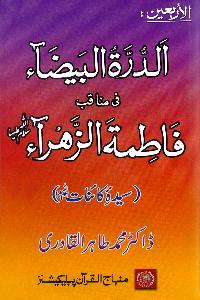
Glittering Pearls of the Virtues of Sayyida Fatima (S.A.)
Virtues of Imam Hasan and Imam Husayn (R.A.)
Merits and Virtues of Sayyiduna Abu Bakr (R.A.)
Virtues of the Remembrance of Allah and Rememberers
Full-shine Blessings of Invoking Salutations on the Exalted Prophet (PBUH)
Completion of Scripture with the Chains of Authority of Imam Abu Hanifa (R.A)
The Prophetic Enlightenment on Hanafite Chains of Authority
The Straight Road from the Prophetic Traditions
Merits and Virtues of Sayyiduna Umar b. al-Khattab
Merits and Virtues of Sayyiduna ‘Uthman b. ‘Affan
Merits and Virtues of Sayyiduna ‘Ali (R.A.)
The Reality of the Oneness of Allah and the Messengership
Belief in Messengership
Hypocrisy and its Signs
Book on Oneness of Allah (vol. I)
Book on Oneness of Allah (vol. II)
Post-Demise Life of the Prophet
Beseeching for Help and its Legal Status
Book on Intermediation
The City of Medina and Visit to the Prophet’s Mausoleum
Sending of Blessings to the Deceased and its Legal Status
Scholarly Judgment on Objections against Dreams and Glad Tidings
Innovation: Views of the Imams and Hadith-Scholars
Preamble to the Biography of the Messenger (PBUH) (part-I)
Biography of the Holy Messenger (PBUH)
Contemporary and International Importance of Biography of the Holy Messenger (PBUH)
The Light of Muhammad (PBUH): From Creation to Birth
The Birth of the Holy Prophet (PBUH)
History of Celebration of the Birth of the Holy Prophet (PBUH)
The Birth of the Holy Prophet (PBUH):
The Philosophy of Prophet’s Ascension (PBUH)
The Holy Prophet (PBUH):
The Holy Names of the Prophet (PBUH)
Attributes of the Holy Prophet (PBUH)
The Features of the Holy Prophet (PBUH)
The Blessings of the Prophet (PBUH)
The Virtues of Greetings and Salutations
The Captives of Prophet’s Beauty
Belief in the Finality of Prophethood
Belief in Finality of Prophethood and Mirza Ghulam Ahmad Qadian
Pillars of Islam
The Philosophy of Fasting
The Philosophy of Hajj
The Divine Text and its Interpretation
The Status of al-Hidaya and its Author in the History of Jurisprudence
The Dictates of the Islamic Law
Politics & International Relations
The Reality of Spiritualism
The Practical Guide for Mysticism and Spiritualism
Remembrance and the Company of the Pious
The Excellence of Actions
The Excellence of Morality
The Spiritual Disorder and its Cure
Life is a Clash between Good and Evil
Everyone is a Slave to his Likes and Dislikes
Our Real Homeland
The Qur’anic Way of Training
The Reality of Spiritual Retreat
The Blessings of Muhammad (PBUH)
The Supplications of Imam Zayn al-‘Abidin
The Islamic Concept of Knowledge
Knowledge—Acquired or Creative
Reform-Seeking Aspects of Religious and Secular Science
Martyrdom of Imam Husayn (A.S.):
The Great Slaughter—Isma‘il to Husayn (A.S.)
How to End Sectarianism?
Our Religious Decline and the Three-Pronged Path to Stem it
Gifted Capacity to Serve Religion
Quranic Philosophy of Preaching
The Objective of Raising of the Prophets (A.S.)
The Political Stand-off and its Islamic Solution
The Constitutional Analysis of Medina Pact
Islamic Concept of Imprisonment and Jail
The Life of Sayyida Khadija al-Kubra (R.A)
Life of Sayyida ‘A’isha Siddiqa (R.A.)
The Scholarly Discipline of Imam Ahmad Raza Khan (Brelvi)
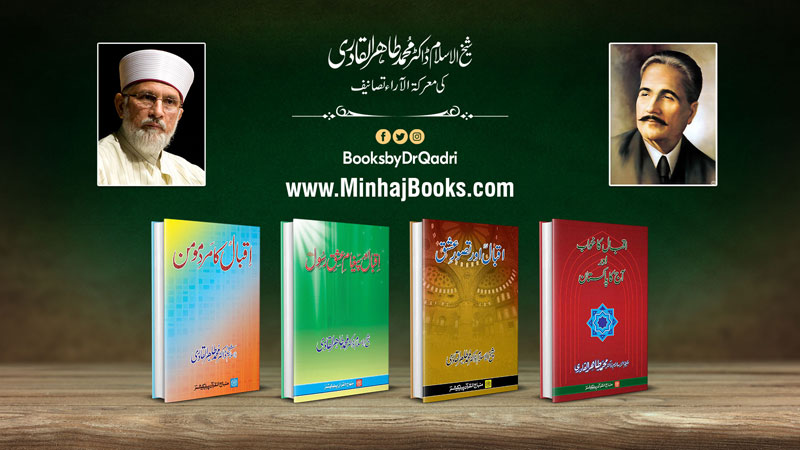
Iqbal’s Dream and Today’s Pakistan
Iqbal and the message of the Prophet’s love
Iqbal’s Man of Faith
Islam and modern science
The Creation of Universe
The Eminent Station of Saints
Human Rights in Islam
Rights of Parents
Human Rights
Islamic Teachings Series (1): Teachings of Islam
Islamic Teachings Series (2): Faith (Iman)
Islamic Teachings Series (3): Peace and submission (Islam)
Islamic Teachings Series (4): Spiritual and Moral Excellence (Ihsan)
The Philosophy of Religious Reconstruction and Modern Age
The Path to Sermons on Fridays and ‘Id Days
The Compassion and Clemency of the Chosen Prophet (PBUH)
The Hanafite Manner of Ritual Prayer (in the Light of Prophetic Sunna)
An Explication of Tarawih Prayer
Supplication and Remembrance after Ritual Prayer
Warning to the Prophet’s Denigrators
The Philosophy of Human Rights and Proprieties
Glaring Signs of Merits and Virtues
Relationship of Servitude with Allah Almighty
Virtues of the Companions
Virtues of Prophet’s Household
Merits and Virtues of the Mothers of the Believers (may Allah be well pleased with them)
Merits and Virtues of Saints and the Pious
Book on Innovation
The Glorious Quran
Sirat-ur-Rasul (PBUH), vol. 1
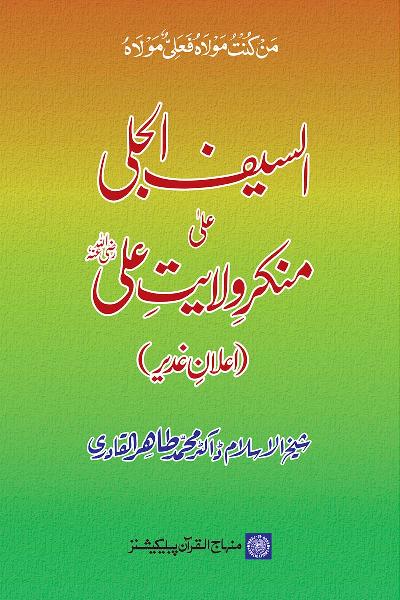
The Ghadir Declaration
The Awaited Imam
Creation of Man
Beseeching for Help (Istighathah)
Islamic Concept of Intermediation (Tawassul)
Greetings and Salutations on the Prophet (PBUH)
Spiritualism and Magnetism
Islam on Prevention of Heart Diseases
Islamic Philosophy of Human Life
Islamic Concept of Human Nature
Divine Pleasure (the Ultimate Ideal)
Islam and Freedom of Human Will
Islamic Concept of Law
Quranic Basis of Constitutional Theory
Creation and Evolution of the Universe
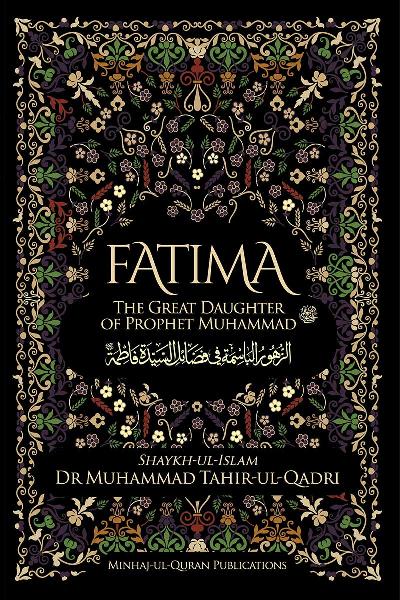
Virtues of Sayyidah Fatimah (S.A.)
Safarnama
Demands of Care in Beliefs
Seven Pillars of the Belief in Oneness of God
Belief in the Oneness of God and the Concept of other than Allah
The Best Way of Excellence of Merits and Virtues of Prophets (A.S.)
Rights of Children in Islam
Rights of Minorities in Islam
Rights of the Old and the Disabled in Islam
Women Rights in Islam
Basic Principles of the Study of Prophet’s Life
Constitutional Importance of Life of the Holy Messenger (PBUH)
Religious Significance of the Life of the Holy Messenger (PBUH)
The Scientific Import of the Biography of the Holy Messenger (PBUH)
The Administrative Import of the Biography of the Holy Messenger (PBUH)
The Aesthetic Exposition on the Prophet’s life
The State Import of the Biography of the Holy Messenger (PBUH)
The Blessed Objects and their Legal Status
Blessings of the Holy Qur’an and its Recitation
The Preliminaries of the Belief in Oneness of God
The Medials of Law
Visitation of Graves
Preamble to the Biography of the Messenger (PBUH) (part-II)
Belief in the Oneness of God and the Commonality of Attributes
Greetings for the Holy Prophet (PBUH) contained in the Qur’anic Surahs
The Alphabetic Names of the Holy Prophet (PBUH)
The Excellent Source of Salutations for the Birthday Celebrations
Intermediation: in the Eyes of Jurists and Hadith-Scholars
Economic System of Islam (Reconstruction)
Nisab e Itikaf
Islamic Concept of Knowledge
The Gnostic Secrets of Aya al-Kursi
Imam Abu Hanifa: The Leading Imam in Hadith (vol. I)
Ijtihad (meanings, application and scope)
Pearls of Remembrance
The Application of the Word ‘Innovation’
The Kinds of Innovation
The Personal and Prophetic Import of the Biography of the Holy Messenger (PBUH)
The Cultural and Civilizational Import of the Biography of the Holy Messenger (PBUH)
The Economic Significance of the Biography of the Holy Messenger (PBUH)
The Rightly-Guiding Dissertation on Principles of Prophetic Traditions and the Branches of Islamic Doctrine
Significance of Promoting Knowledge and Awareness
The Harmonious Way of Calling to Islam’s Peace Programme
Unveiling the Love of Inanimate and Animate Kingdoms for the Sovereign of the Pious
The Highness of the First in Creation and the Last in Messengership
The Majesty and Authority of the Holy Prophet (PBUH)
Unveiling the Gnosis of the Qur’anic Oaths for the Prophet (PBUH)
Elections or Electoral System?
Eulogy of the Beloved Prophet (PBUH), a Source of Inner Delight: Selected Quranic Verses and Traditions
Supplication and its Manners
Islam and Public Welfare
Islamic Concept of Ownership
The Basics of Islamic Economic System
Is Celebration of the Prophet’s Birth an Innovation?
Islamic Teachings Series (5): Cleanliness and Prayer
Intercession Substantiated by Fine Traditions
Imam Azam’s Benefitting from the Companions and Imams of Prophet’s Household
Imam Azam and Imam Bukhari (R.A.)
The Life and Raising of Jesus Christ and the Birth of the Awaited Imam
Charter of Guidance for the Muslim Umma Derived from the Qur’an and Hadith (vol. I)
Selection from Imam al-‘Asqalani’s Chains of Authority linked to the Leading Spiritualists and Gnostics of Divine Knowledge
Sayyiduna Siddiq Akbar’s Status of Nearness and Companionship
Collection of Prophetic Traditions on Divine Mercy
Seeking Blessings and Intermediation of the Holy Prophet (PBUH)
The Covenant of the Realm of Spirits and the Majesty of Allah’s Beloved Messenger (PBUH)
The Prophetic Glory on the Day of Reckoning
An Account of Imam A‘zam’s Hadith Collections (Masanid)
Remembering Farid al-Milla
Authentication of Hasan’s Hearing of ‘Ali (R.A.) - Urdu
The Excellence of Merits and Virtues of the Companions and Prophet’s Kindred
The Virtues of Greetings and Salutations and the Prophet’s Majesty
The Curricula of Training (part-I)
The Rituals of Milad Celebrations
Islamic Teachings Series (6): Fasting and Spiritual Retreat
Economics of Agriculture Industry in Pakistan Vol. 1
Economics of Natural Resources
Management
Economics of Natural Resources - Power
Poetry
Economics of Agriculture - Sugar
Establishment of Ritual Prayer, A Source of Deliverance
A Collection of the Prophet’s Supplications and Litanies
The Blessings of the Greetings and Salutations - Urdu
The Excellence of Merit of Fasting and Night Vigil
Al-Hadith Al-Asanid: As-Subul al-Wahabiyya fi al-Asanid adh-Dhahabiyya
Al-Hadith Al-Asanid: Al-Jawahir al-Bahira fi al-Asanid at-Tahira
Terrorism and the Tribulation of the Kharijites
Fatwa on Terrorism and Suicide Bombings
Arba‘in Series: Holy Names of the Messengeri (PBUH)
Arba‘in Series: Intermediation of the Prophet (PBUH)
Arba‘in Series: Blessings of the Visitation of the Prophet’s Mausoleum
The Prophetic Distinction in the Worldly Attributes
Protection of Life and Property of non-Muslims in an Islamic State
The Three Grades of Islamic Faith:
The Prophetic Majesty in the Pre-resurrection Attributes
Arba‘in Series: The Bestowing Mercy of the Beloved Messenger (PBUH)
Arba‘in Series: The Prophet (PBUH) is Alive
The Tribulation of Kharijites
Arba‘in Series: The Prophet’s Knowledge of the Unseen
al-Manhal-us-Safi fi Ziarat e Qabr-in-Nabi (PBUH)
Arba‘in Series: Nobility in Seeking Blessings from the Prophet i (PBUH)
Arba‘in Series: The Prophetic Authority on Legislative Matters
Arba‘in Series: Litanies after Obligatory Ritual Prayers
The Minhaj-ul-Quran Movement: The Concept of Din
Ijtimai Tehreeki Zindagi
Economics of Agriculture Industry in Pakistan Vol. 2
The Merits of Selected Chapters of the Holy Quran
The Sanctity of Muslim Blood
Saints’ Narration Series: Ibn al-Arabi’s Hadith Reports Contiguously Ascending (marfu‘ muttasil) to the Prophet (PBUH)
Saints’ Narration Series: Imam al-Sulami’s Hadith Reports Contiguously Ascending (marfu‘ muttasil) to the Prophet (PBUH)
Saints’ Narration Series: Imam al-Qushayri’s Hadith Reports Contiguously Ascending (marfu‘ muttasil) to the Prophet (PBUH)
Saints’ Narration Series: Imam al-Suharwardi’s Hadith Reports Contiguously Ascending (marfu‘ muttasil) to the Prophet (PBUH)
Masail e Zakat
The Pure Pearls of the Prophetic Features
The Exalted Meanings of the Prophetic Traits
Islamic Teachings Series (7): Hajj and Visitation
Arba‘in Series: The Companions’ Rapturous Love for the Beloved Messenger
Arba‘in Series: Virtues of the Rightly-Guided Caliphs
Arba‘in Series: The Remembrance of Sayyiduna ‘Ali (karam Allah wajhah al-karim)
Holy Journey
Belief in the Destiny
Arba‘in Series: The Faith-Inspiring Visitation of Graves
Arba‘in Series: The Faith-Inspiring Incidents of the Companions l in Obedience to the Prophet (PBUH)
Arba‘in Series: The Remembrance of the Companions (R.A.)
bad Intizami ya Azab e Elahi! Nijat kesay Mumkin hay?
Forty Prophetic Traditions on the Virtues of the Quran
Arba‘in Series: Excellence of Greetings and Salutations on the Holy Prophet (PBUH)
The Real Change in Pakistan—how and why?
Shaykh-ul-Islam: Tanqeed - Karnamy - Taasuraat
The Sublimity of the Prophetic Attributes
The Prophetic Conquests in the Post-resurrection Attributes
Arba‘in Series: Virtues of the Month of Ramadan
Arba‘in Series: Virtues of Supererogatory Fasting
Arba‘in Series: Virtues of the Destiny Night and Spiritual Retreat
Arba‘in Series: Blessings of Zakat
Arba‘in Series: Blessings of Charity
Arba‘in Series: Virtues of Hajj and Visitation
Arba‘in Series: Blessings of Donating Reward to the Deceased
Introduction to the Fatwa on Suicide Bombings and Terrorism
Namaz
Bedari-e-Shaoor (Zaroorat-o-Ahmiyyat)
Arba‘in Series: Farhatul-ul-Qulub fi Madh-in-Nabi al-Mahbub (S.W.A)
Arba‘in Series: Tuhfatu Nubala Fi Fadle Russule wl Anbiya
Arba‘in Series: Husn-ul-Kalam min Madah-e-Sahaba Khair un Anam (S.W.A)
Arba‘in Series: al-Madaih-ul-Hisan min Kalam-e-Hassan
Arba‘in Series: Idrak fi Fazl-il-Infaq wa Zam-il-Imsak
Arba‘in Series: Lawaami fi Fadl-il-Jawaami
Nuzool-ul-Farhatain fi Yawm-il-Eidayn
Siyasat nahin, Riyasat Bachao:
Islamabad Long March
Falsafa e Tehreek


Islamic Library - English Books > The Ghadir Declaration >

The Ghadir Declaration

Click here to sponsor online version of this book.      

Hadīth No. 1

عن شعبة، عن سلمة بن كهيل، قال: سمعت أبا الطفيل يحدث، عن أبي سريحة رضي الله عنه — أو زيد بن أرقم رضي الله عنه (شك شعبة) — عن النبي صلى الله عليه وآله وسلم، قال: من كنت مولاه فعلي مولاه.

وقد روى شعبة هذا الحديث، عن ميمون أبي عبد الله، عن زيد بن أرقم رضي الله عنه، عن النبي صلى الله عليه وآله وسلم.

“Shu‘bah relates it from Salmah bin Kuhayl: I heard it from Abū Tufayl that Abū Sarīhah (RA) — or Zayd bin Arqam (RA) (Shu‘bah has doubts about the narrator) — relates that the Prophet (SAW) said: One who has me as his master has ‘Alī as his master.

“Shu‘bah has related the tradition from Maymūm Abū ‘Abdullāh, who related it on the authority of Zayd bin Arqam (RA) and he has related it from the Holy Prophet (SAW).”[1]

Hadīth No. 2

عن عمران بن حصين رضي الله عنه، قال: قال رسول الله صلى الله عليه وآله وسلم: ما تريدون من علي؟ ما تريدون من علي؟ ما تريدون من علي؟ إن عليا مني وأنا منه، وهو ولي كل مؤمن من بعدي.

“‘Imrān bin Husayn (RA) has narrated that Allāh’s Messenger (SAW) said: What do you people want about ‘Alī? What do you people want about ‘Alī? What do you people want about ‘Alī? Then added: Surely ‘Alī is from me and I am from ‘Alī and after me he is the guardian of every believer.”[2]

Hadīth No. 3

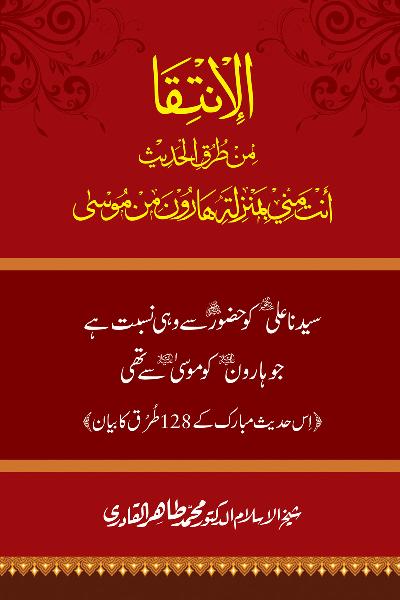
عن سعد بن أبي وقاص رضي الله عنه، قال: سمعت رسول الله صلى الله عليه وآله وسلم يقول: من كنت مولاه فعلي مولاه، وسمعته يقول: أنت مني بمنزلة هارون من موسى إلا أنه لا نبي بعدي، وسمعته يقول: لأعطين الراية اليوم رجلا يحب الله ورسوله.

“It is related by Sa‘d bin Abī Waqās (RA): I heard Allāh’s Messenger (SAW) say: One who has me as his master has ‘Alī as his master. And I heard him say (to ‘Alī (RA)): You are in my place as Hārūn was in Mūsā’s place, but there is no prophet after me. And I also heard him say (on the occasion of the battle of Khaybar): Today I shall bestow the flag on the person who loves Allāh (SWT) and His Messenger (SAW).”[3]

Hadīth No. 4

عن البراء بن عازب رضي الله عنه، قال: أقبلنا مع رسول الله صلى الله عليه وآله وسلم في حجته التي حج، فنزل في بعض الطريق، فأمر الصلاة جامعة، فأخذ بيد علي رضي الله عنه، فقال: ألست أولى بالمؤمنين من أنفسهم؟ قالوا: بلى. قال: ألست أولى بكل مؤمن من نفسه؟ قالوا: بلى. قال: فهذا ولي من أنا مولاه، اللهم! وال من والاه، اللهم! عاد من عاداه.

“Barā’ bin ‘Āzib (RA) narrates: We performed hajj with Allāh’s Messenger (SAW). On the way he stayed at a place and commanded us (to establish) the prayer in congregation. After this, he held ‘Alī’s hand, and said: Am I not nearer than the lives of the believers? They replied: Why not! He said: Am I not nearer than the life of every believer? They replied: Why not! He said: One who has me as his master has this (‘Alī) as his guardian. O Allāh! Befriend the one who befriends him and be the enemy of one who is his enemy.”[4]


Hadīth No. 5

عن البراء بن عازب رضي الله عنه، قال: كنا مع رسول الله صلى الله عليه وآله وسلم في سفر، فنزلنا بغدير خم، فنودي فينا: الصلاة جامعة، وكسح لرسول الله صلى الله عليه وآله وسلم تحت شجرتين، فصلى الظهر وأخذ بيد علي رضي الله عنه، فقال: ألستم تعلمون أنى أولى بالمؤمنين من أنفسهم؟ قالوا: بلى. قال: ألستم تعلمون أنى أولى بكل مؤمن من نفسه؟ قالوا: بلى. قال: فأخذ بيد علي رضي الله عنه، فقال: من كنت مولاه فعلي مولاه، اللهم! وال من والاه، وعاد من عاداه. قال: فلقيه عمر رضي الله عنه بعد ذلك، فقال له: هنيئا يا ابن أبي طالب! أصبحت وأمسيت مولى كل مؤمن ومؤمنة.

“It is narrated by Barā’ bin ‘Āzib (RA): We were on a journey with Allāh’s Messenger (SAW). (On the way) we stayed at Ghadīr Khum. There it was announced that the prayer was about to be offered. The space under two trees was cleaned for Allāh’s Messenger (SAW). Then he offered the zuhr (noon) prayer, and, holding ‘Alī’s hand, he said: Don’t you know that I am even nearer than the lives of the believers? They said: Why not! He said: Don’t you know that I am even nearer than the life of every believer? They said: Why not! The narrator says that he said while holding ‘Alī’s hand: One who has me as his master has ‘Alī as his master. O Allāh! Befriend the one who befriends him (‘Alī) and be the enemy of one who is his enemy. The narrator says that after this ‘Umar (bin al-Khattāb (RA)) met ‘Alī (RA) and said to him: O Ibn Abī Tālib! Congratulations, you have become the master of every male and female believer, morning and evening (for ever).”[5]

Hadīth No. 6

عن ابن بريدة عن أبيه، قال: قال رسول الله صلى الله عليه وآله وسلم: من كنت وليه فعليّ وليه.

“Ibn Buraydah has attributed it to his father: Allāh’s Messenger (SAW) said: One who has me as his guardian has ‘Alī as his guardian.”[6]

Hadīth No. 7

عن زيد بن أرقم رضي الله عنه، قال: لما رجع رسول الله صلى الله عليه وآله وسلم من حجة الوداع، ونزل غدير خم، أمر بدوحات فقمن، فقال: كأني قد دعيت فأجبت، إني قد تركت فيكم الثقلين، أحدهما أكبر من الآخر: كتاب الله تعالى، وعترتي، فانظروا كيف تخلفوني فيهما، فإنهما لن يتفرقا حتى يردا علي الحوض. ثم قال: إن الله عز وجل مولاي، وأنا مولى كل مؤمن. ثم أخذ بيد علي رضي الله عنه، فقال: من كنت مولاه فهذا وليه، اللهم! وال من والاه، وعاد من عاداه.

“It is narrated by Zayd bin Arqam (RA): When Allāh’s Messenger (SAW) was returning after the Hajjat-ul-wadā‘, he stayed at Ghadīr Khum. He commanded that a canopy should be put up and so it was done. Then he said: It seems as if I am about to breathe my last which I shall accept. Indeed, I am leaving two important things in your midst which exceed each other in importance: One (is) Allāh’s Book and the other (is) my progeny. Now it is to be seen how do you treat both of them after me and they will not be separated from each other, and they will appear before me at the Fountain of kawthar. Then added: Surely Allāh (SWT) is my Master and I am the master of every believer. Then, holding ‘Alī’s hand, he said: One who has me as his master has this (‘Alī) as his guardian. O Allāh! Befriend him who befriends him (‘Alī) and be the enemy of one who is his enemy.”[7]

Hadīth No. 8

عن ابن واثلة أنه سمع زيد بن أرقم رضي الله عنه، يقول: نزل رسول الله صلى الله عليه وآله وسلم بين مكة والمدينة عند شجرات خمس دوحات عظام، فكنس الناس ما تحت الشجرات، ثم راح رسول الله صلى الله عليه وآله وسلم عشية، فصلى، ثم قام خطيبًا، فحمد الله وأثنى عليه، وذكر ووعظ، فقال ما شاء الله أن يقول، ثم قال: أيها الناس! إني تارك فيكم أمرين، لن تضلوا إن اتبعتموهما، وهما كتاب الله، وأهل بيتي عترتي، ثم قال: أتعلمون إني أولى بالمؤمنين من أنفسهم؟ ثلاث مرات، قالوا: نعم. فقال رسول الله صلى الله عليه وآله وسلم: من كنت مولاه فعلي مولاه.

“Ibn Wāthilah is reported to have heard from Zayd bin Arqam (RA) that the Prophet (SAW) was camping between Makkah and Medina near five dense trees. The people cleaned the place under the trees and he rested there for some time. He offered the prayer and then stood up to address the people. He praised Allāh (SWT), gave some advice to the audience and then said whatever Allāh (SWT) wanted him to say. He said: O people! I am leaving two things with you. You will never go astray as long as you follow them and these (two things) are Allāh’s Book and my progeny. He then added: Don’t you know I am nearer than the lives of the believers? He repeated it three times. Everyone said: yes. Then he said: One who has me as his master has ‘Alī as his master.”[8]

Hadīth No. 9

عن زيد بن أرقم رضي الله عنه، قال: خرجنا مع رسول الله صلى الله عليه وآله وسلم حتى انتهينا إلى غدير خم، فأمر بروح فكسح في يوم ما أتى علينا يوم كان أشدّ حرًا منه، فحمد الله وأثنى عليه، وقال: يا أيها الناس! أنه لم يبعث نبي قط إلا ما عاش نصف ما عاش الذي كان قبله، وإني أوشك أن أدعى فأجيب، وإني تارك فيكم ما لن تضلوا بعده كتاب الله عز وجل. ثم قام فأخذ بيد علي رضي الله عنه، فقال: يا أيها الناس! من أولى بكم من أنفسكم؟ قالوا: الله ورسوله أعلم. ألست أولى بكم من أنفسكم؟ قالوا: بلى. قال: من كنت مولاه فعلي مولاه.

“Zayd bin Arqam (RA) narrates: We set out with Allāh’s Messenger (SAW) until we reached Ghadīr Khum. He commanded that a canopy should be put up. He looked tired on that day and it was a very hot day. He praised Allāh (SWT) and then said: O people, out of the prophets Allāh (SWT) sent, each new prophet had a life span half as much as that of his predecessor, and it seems to me that soon I may be called (to breathe my last) which I shall accept. I am leaving in your midst something that will never let you go astray, and that is the Book of Allāh (SWT). Then he stood up, held ‘Alī’s hand and said: O people, who is he who is nearer than your lives? All of them said: Allāh (SWT) and His Messenger (SAW) know better. (Then added:) Am I not nearer than your lives? They said: Why not! He said: One who has me as his master has ‘Alī as his master.”[9]

Hadīth No. 10

عن سعد بن أبي وقاص رضي الله عنه، قال: لقد سمعت رسول الله صلى الله عليه وآله وسلم يقول في علي رضي الله عنه ثلاث خصال، لأن يكون لي واحدة منهن أحب إلي من حمر النعم:

سمعته يقول: إنه بمنزلة هارون من موسى، إلا أنه لا نبي بعدي، وسمعته يقول: لأعطين الراية غدا رجلا يحب الله ورسوله، ويحبه الله ورسوله، وسمعته يقول: من كنت مولاه فعلي مولاه.

“Sa‘d bin Abī Waqās (RA) says that he heard Allāh’s Messenger (SAW) describe three qualities of ‘Alī (RA). Had I possessed anyone of them, it would have been dearer to me than red camels.

“I heard him say: Indeed, he (‘Alī) is in my place as Hārūn was in Mūsā’s place, but there is no prophet after me. And I heard him say: Today I shall bestow the flag on the person who loves Allāh (SWT) and His Messenger (SAW), and Allāh (SWT) and His Messenger (SAW) love him too. And I heard him say: One who has me as his master has ‘Alī as his master.”[10]


Refrences

[1]. Tirmidhī has declared it fair, sound and weak (hasan sahīh gharīb) in al-Jāmi‘us-sahīh, b. of manāqib (merits) 6:79 (#3713), and Shu‘bh, in the manner of Maymūn Abū ‘Abdullah, has also related it on the authority of Zayd bin Arqam (RA). Ahmad bin Hambal narrated it in Fadā’il-us-sahābah (2:569 # 959); Mahāmilī, Amālī (p.85); Tabarānī, al-Mu‘jam-ul-kabīr (5:195, 204 # 5071, 5096); Ibn Abī ‘Āsim, as-Sunnah (pp.603, 604 # 1361, 1363, 1364, 1367, 1370); Nawawī, Tahdhīb-ul-asmā’ wal-lughāt (p.318); Ibn ‘Asākir, Tārīkh Dimashq al-kabīr (45:163, 164); Ibn Athīr, Asad-ul-ghābah fī ma‘rifat-is-sahābah (6:132); Ibn Kathīr, al-Bidāyah wan-nihāyah (5:463); and ‘Asqalānī in Ta‘jīl-ul-manfa‘ah (p.464 # 1222).

It has been related from ‘Abdullāh bin ‘Abbās رضي الله) عنهما) in the following books:

  1. Hākim, al-Mustadrak (3:134 # 4652).
  2. Tabarānī, al-Mu‘jam-ul-kabīr (12:78 # 12593).
  3. Khatīb Baghdādī, Tārīkh Baghdad (12:343).
  4. Haythamī, Majma‘-uz-zawā’id (9:108).
  5. Ibn ‘Asākir, Tārīkh Dimashq al-kabīr (45:77, 144).
  6. Ibn Kathīr, al-Bidāyah wan-nihāyah (5:451).

This tradition has been related on the authority of Jābir bin ‘Abdullāh رضي الله عنهما)) in the following books:

  1. Ibn Abī ‘Āsim, as-Sunnah (p.602 # 1355).
  2. Ibn Abī Shaybah, al-Musannaf (12:59 # 12121).

This tradition has been reproduced from Abū Ayyūb al-Ansārī (RA):

  1. Ibn Abī ‘Āsim, as-Sunnah (p.602 # 1354).
  2. Tabarānī, al-Mu‘jam-ul-kabīr (4:173 # 4052).
  3. Tabarānī, al-Mu‘jam-ul-awsat (1:299 # 348).

This tradition has been related by Sa‘d (RA) in the following books:

  1. Ibn Abī ‘Āsim, as-Sunnah (pp.602,605#1358,1375).
  2. Diyā’ Maqdisī, al-Ahādīth-ul-mukhtārah (3:139 # 937).
  3. Ibn ‘Asākir, Tārīkh Dimashq al-kabīr (20:114).

The following narrated it through Buraydah (RA):

  1. ‘Abd-ur-Razzāq, al-Musannaf (11:225 # 20388).
  2. Tabarānī, al-Mu‘jam-us-saghīr (1:71).
  3. Ibn ‘Asākir, Tārīkh Dimashq al-kabīr (45:143).

This tradition has been reproduced from Ibn Buraydahرضي الله عنهما)) in the following books:

  1. Ibn Abī ‘Āsim, as-Sunnah (p.601 # 1353).
  2. Ibn ‘Asākir, Tārīkh Dimashq al-kabīr (45:146).
  3. Ibn Kathīr, al-Bidāyah wan-nihāyah (5:457).
  4. Hindī, Kanz-ul-‘ummāl (11:602 # 32904).

The following transmitted it through Hubshā bin Junādah (RA):

  1. Ibn Abī ‘Āsim, as-Sunnah (p.602 # 1359).
  2. Hindī, Kanz-ul-‘ummāl (11:608 # 32946).

This tradition has been related from Mālik bin Huwayrith in the following books:

  1. Tabarānī, al-Mu‘jam-ul-kabīr (19:252 # 646).
  2. Ibn ‘Asākir, Tārīkh Dimashq al-kabīr (45:177).
  3. Haythamī, Majma‘-uz-zawā’id (9:106).

Tabarānī related it from Hudhyfah bin Usayd al-Ghifārī (RA) in al-Mu‘jam-ul-kabīr (3:179 # 3049).

Ibn ‘Asākir has narrated it through Hasan bin Hasan in Tārīkh Dimashq al-kabīr (15:60,61).

Ibn ‘Asākir related it from Abū Hurayrah, ‘Umar bin al-Khattāb, Anas bin Mālik and ‘Abdullāh bin ‘Umar (RA) in Tārīkh Dimashq al-kabīr (45:176, 177, 178, 178) respectively.

Ibn ‘Asākir related it from Buraydah (RA) with slightly different words in Tārīkh Dimashq al-kabīr (45:143).

Ibn Athīr narrated it through ‘Abdullāh bin Yāmīl in Asad-ul-ghābah fī ma‘rifat-is-sahābah (3:412).

Haythamī narrated it through Abū Burdah رضي الله عنهما)) in Mawārid-uz-zam’ān (p.544 # 2204).

‘Asqalānī said in Fath-ul-bārī (7:74): Tirmidhī and Nasā’ī narrated the tradition and it is supported by numerous chains of transmission.

Albānī says in Silsilat-ul-ahādīth-is-sahīhah (4:331 # 1750) that its chain of authorities is sahīh (sound) according to the conditions of Bukhārī and Muslim.

[2]. Tirmidhī narrated it in al-Jāmi‘-us-sahīh, b. of manāqib (merits) 6:78 (#3712); Nasā’ī with the sound chains of transmission in Khasā’is amīr-il-mu’minīn ‘Alī bin Abī Tālib (pp.77, 92 # 65, 86), and as-Sunan-ul-kubrā (5:132 # 8484); Ahmad bin Hambal in Fadā’il-us-sahābah (2:620 # 1060), and the last words of the tradition narrated in his Musnad (4:437, 438) are:

وقد تغير وجهه, فقال: دعوا عليا, دعوا عليا, إن علي مني وأنا منه, وهو ولي كل مؤمن بعدي.

And his face flashed. Then he said: give up (opposing) ‘Alī, give up (opposing) ‘Alī. Surely ‘Alī is from me and I am from ‘Alī and after me he is the guardian of every believer.

Ibn Kathīr also narrated it with these words in al-Bidāyah wan-nihāyah (5:458).

Hākim in al-Mustadrak (3:110,111#4579) has declared this tradition sound according to the conditions laid down by Imām Muslim while Dhahabī has kept silent about it.

Abū Ya‘lā has narrated it in al-Musnad (1:293 # 355) and its narrators are men of integrity while Ibn Hibbān has also called it sound.

The tradition in Tayālisī’s Musnad (p.111#829) also contains these words: The Prophet (SAW) said:

ما لهم ولعلي؟

Why are they so concerned about ‘Alī?

Ibn Hibbān narrated it with a firm (qawī) chain of transmission in as-Sahīh (15:373, 374 # 6929).

Ibn Abī Shaybah narrated it in al-Musannaf (12:80 # 12170); Abū Nu‘aym, Hilyat-ul-awliyā’ wa tabaqāt-ul-asfiyā’ (6:294); Muhib Tabarī, ar-Riyād-un-nadrah fī manāqib-il-‘ashrah (3:129); Haythamī, Mawārid-uz-zam’ān (p.543 # 2203); and Hindī in Kanz-ul-‘ummāl (13:142 # 36444).

[3]. Ibn Mājah transmitted this sahīh (sound) hadīth in the preface (al-muqaddimah) to his Sunan (1:90 # 121); Ibn Abī ‘Āsim, as-Sunnah (p.608 # 1386); Mizzī, Tuhfat-ul-ashrāf bi-ma‘rifat-il-atrāf (3:203 # 3901); and Nasā’ī reproduced it with slightly different words in Khasā’is amīr-il-mu’minīm ‘Alī bin Abī Tālib (pp. 32,33 #91).

[4]. Ibn Mājah narrated this sound hadīth (tradition) in preface (al-muqaddimah) to his Sunan (1:88 # 116); Ibn Kathīr, al-Bidāyah wan-nihāyah (4:168); Hindī, Kanz-ul-‘ummāl (11:602 # 32904); Ibn ‘Asākir, Tārīkh Dimashq al-kabīr (45:167, 168); and Ibn ‘Abī ‘Āsim briefly mentioned in as-Sunnah (p.603 # 1362).

[5]. Ahmad bin Hambal related it from Barā’ bin ‘Āzib through two different chains of transmission in al-Musnad (4:281); Ibn Abī Shaybah, al-Musannaf (12:78 # 12167); Muhib Tabarī, Dhakhā’ir-ul-‘uqbā fī manāqib dhawī al-qurbā (p.125), ar-Riyād-un-nadrah fī manāqib-il-‘ashrah (3:126, 127); Hindī, Kanz-ul-‘ummāl (13:133, 134 # 36420); Ibn ‘Asākir, Tārīkh Dimashq al-kabīr (5:167, 168); Ibn Athīr, Asad-ul-ghābah (4:103); and Ibn Kathīr in al-Bidāyah wan-nihāyah (4:169; 5:464).

Ahmad bin Hambal in his book Fadā’il-us-sahābah (2:610 # 1042) has added the following words in the tradition related to ‘Umar bin al-Khattāb (RA). The Prophet (SAW) said:

وعاد من عاداه, وانصر من نصره, وأحب من أحبه.
قال شعبة: أو قال: و ابغض من أبغضه.

(O Allāh!) Be the enemy of one who is his (‘Alī’s) enemy, and help him who helps him, and love him who loves him.

Shu‘bah says that the Prophet (SAW) said in its place, “Bear malice towards him who bears malice towards (‘Alī).”

Manāwī has written in Fayd-ul-qadīr (6:217) that when Abū Bakr (RA) and ‘Umar (RA) had heard the Prophet’s saying — One who has me as his master has ‘Alī as his master — they said to ‘Alī (RA) : O son of Abū Tālib! You have become the master of every male and female believer, morning and evening (for ever).”

Dhahabī has said in Siyar a‘lām-in-nubalā’ (2:623, 624) that ‘Umar (RA) uttered the words:

هنيئا لك يا علي!

O ‘Alī! Congratulations.

[6]. Ahmad bin Hambal narrated it in al-Musnad (5:361), and Fadā’il-us-sahābah (2:563 # 947); Ibn Abī ‘Āsim, as-Sunnah (pp.601, 603 # 1351, 1366); Hākim, al-Mustadrak (2:131 # 2589); Ibn Abī Shaybah, al-Musannaf (12:57 # 12114); Tabarānī, al-Mu‘jam-ul-kabīr (5:166 # 4968), al-Mu‘jam-ul-awsat (3:100, 101 # 2204); Ibn ‘Asākir, Tārīkh Dimashq al-kabīr (45:143); Haythamī, Majma‘-uz-zawā’id (9:108); and Hindī in Kanz-ul-‘ummāl (11:602 # 32905).

The same tradition has been reproduced by Hindī in Kanz-ul-‘ummāl (15:168, 169 # 36511), using slightly different words and he says that it has been narrated by Ibn Rāhawayh and Ibn Jarīr.

Ibn ‘Asākir narrated it through Fātimah (رضي الله عنها) also in Tārīkh Dimashq al-kabīr (45:142).

[7]. Hākim narrated it in al-Mustadrak (3:109 # 4576); Nasā’ī, as-Sunan-ul-kubrā (5:45, 130 # 8148, 8464); Tabarānī, al-Mu‘jam-ul-kabīr (5:166 # 4969); and Ibn Abī ‘Āsim related it briefly in as-Sunnah (p.644 # 1555).

Nasā’ī related it with a sound chain of authorities in Khasā’is amīr-il-mu’minīn ‘Alī bin Abī Tālib (pp.84, 85 # 76).

Abū Mahāsin copied it in al-Mu‘tasar min-al-mukhtasar min Mashkal-il-āthār (2:301).

[8]. Hākim related it in al-Mustadrak (3:109, 110 # 4577); Hindī, Kanz-ul-‘ummāl (1:381 # 1657); Ibn ‘Asākir, Tārīkh Dimashq al-kabīr (45:164); and Ibn Kathīr in al-Bidāyah wan-nihāyah (4:168).

[9]. Hākim graded it sahīh (sound) according to the conditions of Bukhārī and Muslim in al-Mustadrak (3:533 # 6272) and Dhahabī confirmed its soundness. Tabarānī transmitted it in al-Mu‘jam-ul-kabīr (5:171,172 # 4986); and Hindī in Kanz-ul-‘ummāl (11:602 # 32904).

[10]. Nasā’ī narrated it with sound chain of trasmission in Khasā’is amīr-il-mu’minīm ‘Alī bin Abī Tālib (pp.33, 34, 88 # 10, 80); and Hindī related it in Kanz-ul-‘ummāl (15:163 # 36496) through ‘Āmir bin Sa‘d with the addition of a few words.

Shāshī narrated it through ‘Āmir bin Sa‘d bin Abī Waqās in al-Musnad (1:165, 166 # 106).

Ibn ‘Asākir narrated it through ‘Āmir bin Sa‘d and Sa‘d bin Abī Waqās in Tārīkh Dimashq al-kabīr (45:88).


Next >> Hadith 11 to 20
Preface << Back

minhajbooks.com minhajbooks.com
Search Books
اردو English
minhajbooks.com
Join Us for Newsletter
Online Sponsors

Index Books
Nizam Badlo
Brief Contents Brief Contents  
Home
Preface
Hadith 01 to 10
Hadith 11 to 20
Hadith 21 to 30
Hadith 31 to 40
Hadith 41 to 51
Glossary
Bibliography
Photographs
 Minhaj-ul-Quran International in Cyber Space
Minhaj-ul-Quran International | Minhaj Welfare Foundation | Minhaj-ul-Quran Women League | Minhaj Overseas | Muslim Christian Dialogue Forum (MCDF) | Gosha-e-Durood | Itikaf City | Irfan-ul-Quran | Islamic Multimedia | Islamic Library | Monthly Minhaj-ul-Quran | Monthly Dukhtran-e-Islam | Minhaj Encyclopedia (Urdu) |
Copyright © 1999 - 2013 Minhaj-ul-Quran International. All rights reserved.