islamic books minhajbooks.com islamic books minhajbooks.com minhajbooks.com minhajbooks.com minhajbooks.com
 Islamic Books minhajbooks.com
Home Islamic Books About us English Books Arabic Books Download Books Text format Books Contact Us Images format Books Buy Books at www.Minhaj.biz Urdu Books
Do you want more & more books to download for FREE? We need your help, it will be a great sadqa e jariah. Click for details...
Home
Complete Index
New Printed
New Online
New in Text
New in Images
Top Read
Top Downloads
Shaykh-ul-Islam
Farid-e-Millat
Dr Hussain Qadri
Online Sponsors
Reviews
Contact Us
The Quran
The Hadith
Science of Faith
Science of Beliefs
The Prophet's life
Finality
Jurisprudence
Morality
Religious Litanies
Economics
Ideologies
Constitutions
Celebrities
Islam & Science
Human Rights
Islamic Teachings
English Books
Poetry
Farid-e-Millat
H. Mohi-ud-Din
MISc
minhajbooks.com Read
Irfan-ul-Quran
Economics of Agriculture - Wheat
Exegesis of the Holy Quran (Sura al-Fatiha; Part-I)
Beginning the Qur’an with the Name of Allah
The Philosophy of Beginning with the Name of Allah
The Gnostic Secrets of the Name ‘Allah’
Scientific Research about ‘the Sustainer of the Worlds’
The Quranic Concept of ‘No Coercion in Din’
Arba‘in Series: Virtues of the Holy Prophet (PBUH)
Glad Tidings for the Believers about the Prophetic Intercession
The Rebuttal of Sayyiduna ‘Ali’s Sovereignty
Authentic Saying about the Awaited Imam: Mahdi (A.S.)
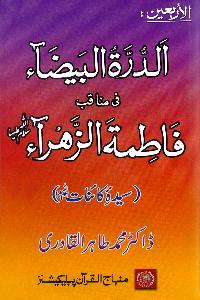
Glittering Pearls of the Virtues of Sayyida Fatima (S.A.)
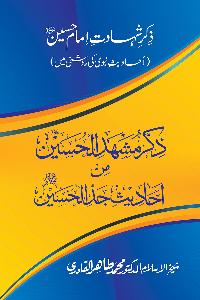
Virtues of Imam Hasan and Imam Husayn (R.A.)
Merits and Virtues of Sayyiduna Abu Bakr (R.A.)
Virtues of the Remembrance of Allah and Rememberers
Full-shine Blessings of Invoking Salutations on the Exalted Prophet (PBUH)
Completion of Scripture with the Chains of Authority of Imam Abu Hanifa (R.A)
The Prophetic Enlightenment on Hanafite Chains of Authority
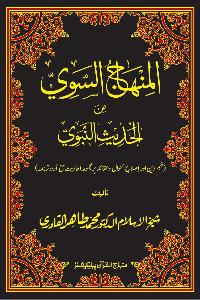
The Straight Road from the Prophetic Traditions
Merits and Virtues of Sayyiduna Umar b. al-Khattab
Merits and Virtues of Sayyiduna ‘Uthman b. ‘Affan
Merits and Virtues of Sayyiduna ‘Ali (R.A.)
The Reality of the Oneness of Allah and the Messengership
Belief in Messengership
Hypocrisy and its Signs
Book on Oneness of Allah (vol. I)
Book on Oneness of Allah (vol. II)
Post-Demise Life of the Prophet
Beseeching for Help and its Legal Status
Book on Intermediation
The City of Medina and Visit to the Prophet’s Mausoleum
Sending of Blessings to the Deceased and its Legal Status
Scholarly Judgment on Objections against Dreams and Glad Tidings
Innovation: Views of the Imams and Hadith-Scholars
Preamble to the Biography of the Messenger (PBUH) (part-I)
Biography of the Holy Messenger (PBUH)
Contemporary and International Importance of Biography of the Holy Messenger (PBUH)
The Light of Muhammad (PBUH): From Creation to Birth
The Birth of the Holy Prophet (PBUH)
History of Celebration of the Birth of the Holy Prophet (PBUH)
The Birth of the Holy Prophet (PBUH):
The Philosophy of Prophet’s Ascension (PBUH)
The Holy Prophet (PBUH):
The Holy Names of the Prophet (PBUH)
Attributes of the Holy Prophet (PBUH)
The Features of the Holy Prophet (PBUH)
The Blessings of the Prophet (PBUH)
The Virtues of Greetings and Salutations
The Captives of Prophet’s Beauty
Belief in the Finality of Prophethood
Belief in Finality of Prophethood and Mirza Ghulam Ahmad Qadian
Pillars of Islam
The Philosophy of Fasting
The Philosophy of Hajj
The Status of al-Hidaya and its Author in the History of Jurisprudence
The Dictates of the Islamic Law
Politics & International Relations
The Reality of Spiritualism
The Practical Guide for Mysticism and Spiritualism
Remembrance and the Company of the Pious
The Excellence of Actions
The Excellence of Morality
The Spiritual Disorder and its Cure
Life is a Clash between Good and Evil
Everyone is a Slave to his Likes and Dislikes
Our Real Homeland
The Qur’anic Way of Training
The Reality of Spiritual Retreat
The Blessings of Muhammad (PBUH)
The Supplications of Imam Zayn al-‘Abidin
The Islamic Concept of Knowledge
Reform-Seeking Aspects of Religious and Secular Science
Martyrdom of Imam Husayn (A.S.):
The Great Slaughter—Isma‘il to Husayn (A.S.)
How to End Sectarianism?
Our Religious Decline and the Three-Pronged Path to Stem it
Gifted Capacity to Serve Religion
Quranic Philosophy of Preaching
The Objective of Raising of the Prophets (A.S.)
The Political Stand-off and its Islamic Solution
The Constitutional Analysis of Medina Pact
Islamic Concept of Imprisonment and Jail
The Life of Sayyida Khadija al-Kubra (R.A)
Life of Sayyida ‘A’isha Siddiqa (R.A.)
The Scholarly Discipline of Imam Ahmad Raza Khan (Brelvi)
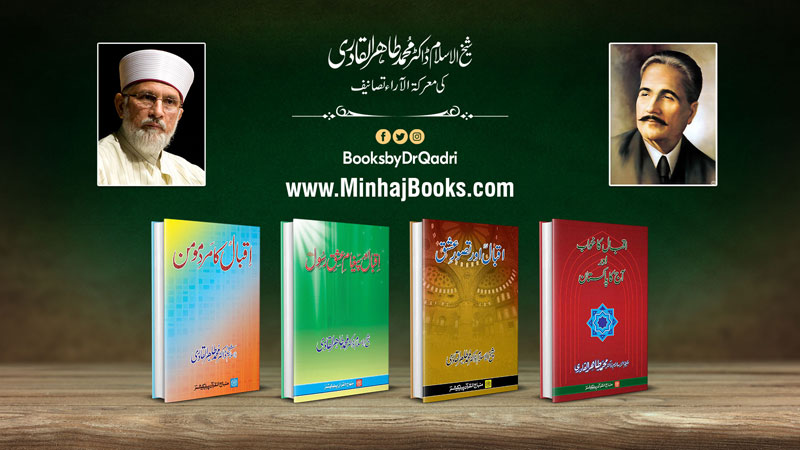
Iqbal’s Dream and Today’s Pakistan
Iqbal and the message of the Prophet’s love
Iqbal’s Man of Faith
Islam and modern science
The Creation of Universe
The Eminent Station of Saints
Human Rights in Islam
Rights of Parents
Human Rights
Islamic Teachings Series (1): Teachings of Islam
Islamic Teachings Series (2): Faith (Iman)
Islamic Teachings Series (3): Peace and submission (Islam)
Islamic Teachings Series (4): Spiritual and Moral Excellence (Ihsan)
The Philosophy of Religious Reconstruction and Modern Age
The Path to Sermons on Fridays and ‘Id Days
The Compassion and Clemency of the Chosen Prophet (PBUH)
The Hanafite Manner of Ritual Prayer (in the Light of Prophetic Sunna)
An Explication of Tarawih Prayer
Supplication and Remembrance after Ritual Prayer
Warning to the Prophet’s Denigrators
The Philosophy of Human Rights and Proprieties
Glaring Signs of Merits and Virtues
Relationship of Servitude with Allah Almighty
Virtues of the Companions
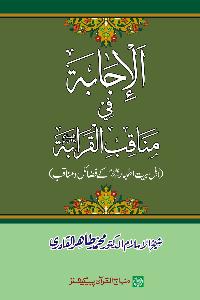
Virtues of Prophet’s Household
Merits and Virtues of the Mothers of the Believers (may Allah be well pleased with them)
Merits and Virtues of Saints and the Pious
Book on Innovation
The Glorious Quran
Sirat-ur-Rasul (PBUH), vol. 1
The Ghadir Declaration
The Awaited Imam
Creation of Man
Beseeching for Help (Istighathah)
Islamic Concept of Intermediation (Tawassul)
Greetings and Salutations on the Prophet (PBUH)
Spiritualism and Magnetism
Islam on Prevention of Heart Diseases
Islamic Philosophy of Human Life
Islamic Concept of Human Nature
Divine Pleasure (the Ultimate Ideal)
Islam and Freedom of Human Will
Islamic Concept of Law
Quranic Basis of Constitutional Theory
Creation and Evolution of the Universe
Virtues of Sayyidah Fatimah (S.A.)
Safarnama
Demands of Care in Beliefs
Seven Pillars of the Belief in Oneness of God
Belief in the Oneness of God and the Concept of other than Allah
The Best Way of Excellence of Merits and Virtues of Prophets (A.S.)
Rights of Children in Islam
Rights of Minorities in Islam
Rights of the Old and the Disabled in Islam
Women Rights in Islam
Basic Principles of the Study of Prophet’s Life
Constitutional Importance of Life of the Holy Messenger (PBUH)
Religious Significance of the Life of the Holy Messenger (PBUH)
The Scientific Import of the Biography of the Holy Messenger (PBUH)
The Administrative Import of the Biography of the Holy Messenger (PBUH)
The Aesthetic Exposition on the Prophet’s life
The State Import of the Biography of the Holy Messenger (PBUH)
The Blessed Objects and their Legal Status
Blessings of the Holy Qur’an and its Recitation
The Preliminaries of the Belief in Oneness of God
The Medials of Law
Visitation of Graves
Preamble to the Biography of the Messenger (PBUH) (part-II)
Belief in the Oneness of God and the Commonality of Attributes
Greetings for the Holy Prophet (PBUH) contained in the Qur’anic Surahs
The Alphabetic Names of the Holy Prophet (PBUH)
The Excellent Source of Salutations for the Birthday Celebrations
Intermediation: in the Eyes of Jurists and Hadith-Scholars
Economic System of Islam (Reconstruction)
Nisab e Itikaf
Islamic Concept of Knowledge
The Gnostic Secrets of Aya al-Kursi
Imam Abu Hanifa: The Leading Imam in Hadith (vol. I)
Ijtihad (meanings, application and scope)
Pearls of Remembrance
The Application of the Word ‘Innovation’
The Kinds of Innovation
The Personal and Prophetic Import of the Biography of the Holy Messenger (PBUH)
The Cultural and Civilizational Import of the Biography of the Holy Messenger (PBUH)
The Economic Significance of the Biography of the Holy Messenger (PBUH)
The Rightly-Guiding Dissertation on Principles of Prophetic Traditions and the Branches of Islamic Doctrine
Significance of Promoting Knowledge and Awareness
The Harmonious Way of Calling to Islam’s Peace Programme
Unveiling the Love of Inanimate and Animate Kingdoms for the Sovereign of the Pious
The Highness of the First in Creation and the Last in Messengership
The Majesty and Authority of the Holy Prophet (PBUH)
Unveiling the Gnosis of the Qur’anic Oaths for the Prophet (PBUH)
Elections or Electoral System?
Eulogy of the Beloved Prophet (PBUH), a Source of Inner Delight: Selected Quranic Verses and Traditions
Supplication and its Manners
Islam and Public Welfare
Islamic Concept of Ownership
The Basics of Islamic Economic System
Is Celebration of the Prophet’s Birth an Innovation?
Islamic Teachings Series (5): Cleanliness and Prayer
Intercession Substantiated by Fine Traditions
Imam Azam’s Benefitting from the Companions and Imams of Prophet’s Household
Imam Azam and Imam Bukhari (R.A.)
The Life and Raising of Jesus Christ and the Birth of the Awaited Imam
Charter of Guidance for the Muslim Umma Derived from the Qur’an and Hadith (vol. I)
Selection from Imam al-‘Asqalani’s Chains of Authority linked to the Leading Spiritualists and Gnostics of Divine Knowledge
Sayyiduna Siddiq Akbar’s Status of Nearness and Companionship
Collection of Prophetic Traditions on Divine Mercy
Seeking Blessings and Intermediation of the Holy Prophet (PBUH)
The Covenant of the Realm of Spirits and the Majesty of Allah’s Beloved Messenger (PBUH)
The Prophetic Glory on the Day of Reckoning
An Account of Imam A‘zam’s Hadith Collections (Masanid)
Remembering Farid al-Milla
Authentication of Hasan’s Hearing of ‘Ali (R.A.) - Urdu
The Excellence of Merits and Virtues of the Companions and Prophet’s Kindred
The Virtues of Greetings and Salutations and the Prophet’s Majesty
The Curricula of Training (part-I)
The Rituals of Milad Celebrations
Islamic Teachings Series (6): Fasting and Spiritual Retreat
Economics of Agriculture Industry in Pakistan Vol. 1
Economics of Natural Resources
Management
Economics of Natural Resources - Power
Poetry
Economics of Agriculture - Sugar
Establishment of Ritual Prayer, A Source of Deliverance
A Collection of the Prophet’s Supplications and Litanies
The Blessings of the Greetings and Salutations - Urdu
The Excellence of Merit of Fasting and Night Vigil
As-Subul al-Wahabiyya fi al-Asanid adh-Dhahabiyya
Al-Jawahir al-Bahira fi al-Asanid at-Tahira
Terrorism and the Tribulation of the Kharijites
Fatwa on Terrorism and Suicide Bombings
Arba‘in Series: Holy Names of the Messengeri (PBUH)
Arba‘in Series: Intermediation of the Prophet (PBUH)
Arba‘in Series: Blessings of the Visitation of the Prophet’s Mausoleum
The Prophetic Distinction in the Worldly Attributes
Protection of Life and Property of non-Muslims in an Islamic State
The Three Grades of Islamic Faith:
The Prophetic Majesty in the Pre-resurrection Attributes
Arba‘in Series: The Bestowing Mercy of the Beloved Messenger (PBUH)
Arba‘in Series: The Prophet (PBUH) is Alive
The Tribulation of Kharijites
Arba‘in Series: The Prophet’s Knowledge of the Unseen
al-Manhal-us-Safi fi Ziarat e Qabr-in-Nabi (PBUH)
Arba‘in Series: Nobility in Seeking Blessings from the Prophet i (PBUH)
Arba‘in Series: The Prophetic Authority on Legislative Matters
Arba‘in Series: Litanies after Obligatory Ritual Prayers
The Minhaj-ul-Quran Movement: The Concept of Din
Ijtimai Tehreeki Zindagi
Economics of Agriculture Industry in Pakistan Vol. 2
The Merits of Selected Chapters of the Holy Quran
The Sanctity of Muslim Blood
Saints’ Narration Series: Ibn al-Arabi’s Hadith Reports Contiguously Ascending (marfu‘ muttasil) to the Prophet (PBUH)
Saints’ Narration Series: Imam al-Sulami’s Hadith Reports Contiguously Ascending (marfu‘ muttasil) to the Prophet (PBUH)
Saints’ Narration Series: Imam al-Qushayri’s Hadith Reports Contiguously Ascending (marfu‘ muttasil) to the Prophet (PBUH)
Saints’ Narration Series: Imam al-Suharwardi’s Hadith Reports Contiguously Ascending (marfu‘ muttasil) to the Prophet (PBUH)
Masail e Zakat
The Pure Pearls of the Prophetic Features
The Exalted Meanings of the Prophetic Traits
Islamic Teachings Series (7): Hajj and Visitation
Arba‘in Series: The Companions’ Rapturous Love for the Beloved Messenger
Arba‘in Series: Virtues of the Rightly-Guided Caliphs
Arba‘in Series: The Remembrance of Sayyiduna ‘Ali (karam Allah wajhah al-karim)
Holy Journey
Belief in the Destiny
Arba‘in Series: The Faith-Inspiring Visitation of Graves
Arba‘in Series: The Faith-Inspiring Incidents of the Companions l in Obedience to the Prophet (PBUH)
Arba‘in Series: The Remembrance of the Companions (R.A.)
bad Intizami ya Azab e Elahi! Nijat kesay Mumkin hay?
Forty Prophetic Traditions on the Virtues of the Quran
Arba‘in Series: Excellence of Greetings and Salutations on the Holy Prophet (PBUH)
The Real Change in Pakistan—how and why?
Shaykh-ul-Islam: Tanqeed - Karnamy - Taasuraat
The Sublimity of the Prophetic Attributes
The Prophetic Conquests in the Post-resurrection Attributes
Arba‘in Series: Virtues of the Month of Ramadan
Arba‘in Series: Virtues of Supererogatory Fasting
Arba‘in Series: Virtues of the Destiny Night and Spiritual Retreat
Arba‘in Series: Blessings of Zakat
Arba‘in Series: Blessings of Charity
Arba‘in Series: Virtues of Hajj and Visitation
Arba‘in Series: Blessings of Donating Reward to the Deceased
Introduction to the Fatwa on Suicide Bombings and Terrorism
Namaz
Bedari-e-Shaoor (Zaroorat-o-Ahmiyyat)
Arba‘in Series: Farhatul-ul-Qulub fi Madh-in-Nabi al-Mahbub (S.W.A)
Arba‘in Series: Tuhfatu Nubala Fi Fadle Russule wl Anbiya
Arba‘in Series: Husn-ul-Kalam min Madah-e-Sahaba Khair un Anam (S.W.A)
Arba‘in Series: al-Madaih-ul-Hisan min Kalam-e-Hassan
Arba‘in Series: Idrak fi Fazl-il-Infaq wa Zam-il-Imsak
Arba‘in Series: Lawaami fi Fadl-il-Jawaami
Nuzool-ul-Farhatain fi Yawm-il-Eidayn
Siyasat nahin, Riyasat Bachao:
Islamabad Long March
Falsafa e Tehreek


Islamic Library - English Books > The Ghadir Declaration >

The Ghadir Declaration

Click here to sponsor online version of this book.      

HadīthNo. 11

أخرج سفيان بن عيينة... عن سعد بن أبي وقاص رضي الله عنه (في مناقب علي رضي الله عنه)،  إن له لمناقب أربع: لأن يكون لي واحدة منهن أحب إلي من كذا وكذا،  ذكر حمر النعم.

قوله صلى الله عليه وآله وسلم: لأعطين الراية. وقوله صلى الله عليه وآله وسلم: بمنزلة هارون بن موسى. وقوله صلى الله عليه وآله وسلم: من كنت مولاه،  ونسي سفيان الرابعة.

“Sufyān bin ‘Uyaynah (in praise of ‘Alī (RA)) relates it from Sa‘d bin Abī Waqās (RA) that of the four qualities of ‘Alī (RA) if I possessed anyone of them, I would have held it dearer than such and such, even the red camels. (The four qualities were as follows:) (first quality) he was blessed with the flag (on the occasion of the battle of Khaybar; (second quality is) the Prophet’s saying about him (that they are related) as Hārūn and Mūsā (were related); (third quality is) the Prophet’s saying about him that one who has me as his master (has ‘Alī as his master). (The sub-narrator) Sufyān bin ‘Uyaynah did not remember the fourth quality.”[11]

Hadīth No. 12

عن عبد الرحمن بن سابط (في مناقب علي رضي الله عنه)،  قال: قال سعد رضي الله عنه: سمعت رسول الله صلى الله عليه وآله وسلم يقول في علي رضي الله عنه ثلاث خصال،  لأن يكون لي واحدة منهن أحب إلي من الدنيا وما فيها،  سمعت رسول الله صلى الله عليه وآله وسلم يقول: من كنت مولاه،  وأنت مني بمنزلة هارون من موسى،  ولأعطين الراية.

“‘Abd-ur-Rahmān bin Sābit (in praise of ‘Alī (RA)) relates that Sa‘d (RA) said: I heard Allāh’s Messenger (SAW) describe three of ‘Alī’s qualities that if I am blessed with anyone of them I would hold it dearer than the world and its contents. I heard Allāh’s Messenger (SAW) say: One who has me as his master (has ‘Alī as his master), and you are in my place as Hārūn was in place of Mūsā, and I shall bestow the flag on him (who is a friend of Allāh (SWT) and His Messenger (SAW), and Allāh (SWT) and His Messenger (SAW) are his friends).”[12]

Hadīth No. 13

عن رفاعة بن إياس الضبي،  عن أبيه،  عن جده،  قال: كنا مع علي رضي الله عنه يوم الجمل،  فبعث إلى طلحة بن عبيد الله أن القني،  فأتاه طلحة رضي الله عنه،  فقال: نشدتك الله! هل سمعت رسول الله صلى الله عليه وآله وسلم يقول: من كنت مولاه فعلي مولاه،  اللهم! وال من ولاه،  وعاد من عاداه؟ قال: نعم. قال: فلم تقاتلني؟ قال: لم أذكر. قال: فانصرف طلحة رضي الله عنه.

“Rifā‘ah bin Iyās ad-Dabbī relates on the authority of his father who relates it on the authority of his grandfather. He said: We were with ‘Alī (RA) on the day of the Battle of Jamal. He sent a message for Talhah bin ‘Ubaydullāh (RA) who called on him. He said: I make you swear by Allāh! Have you heard from the Messenger of Allāh (SAW): One who has me as his master has ‘Alī as his master. O Allāh! Befriend him who befriends him and be his enemy who is his enemy. Talhah (RA) said: Yes. ‘Alī (RA) said: Then why do you battle with me? Talhah (RA) said: I did not remember it. The narrator said: (After this) Talhah (RA) went back.”[13]

HadīthNo. 14

عن بريدة،  قال: غزوتُ مع علي رضي الله عنه اليمن،  فرأيت منه جفوة،  فلما قدمتُ على رسول الله صلى الله عليه وآله وسلم،  ذكرت عليا،  فتنقصته،  فرأيت وجه رسول الله صلى الله عليه وآله وسلم يتغير،  فقال: يا بريدة! ألست أولى بالمؤمنين من أنفسهم؟ قلت: بلى،  يا رسول الله! قال: من كنت مولاه فعلي مولاه.

“It is narrated by Buraydah (RA): I took part in the Battle of Yemen with ‘Alī (RA) and I had a complaint against him. When I went to see the Prophet ((SAW) returning from war), I mentioned ‘Alī in rather improper words. I saw that the Prophet’s face had flushed, and he said: O Buraydah! Am I not nearer than the lives of the believers? I said: why not, O Messenger of Allāh! At this, he said: One who has me as his master has ‘Alī as his master.”[14]

Hadīth No. 15

عن ميمون أبي عبد الله،  قال: قال زيد بن أرقم رضي الله عنه وأنا أسمع: نزلنا مع رسول الله صلى الله عليه وآله وسلم بواد يقال له وادي خم،  فأمر بالصلاة،  فصلاها بهجير. قال: فخطبنا وظلل لرسول الله صلى الله عليه وآله وسلم بثوب على شجرة سمرة من الشمس،  فقال: ألستم تعلمون أو لستم تشهدون أنى أولى بكل مؤمن من نفسه؟ قالوا: بلى. قال: فمن كنت مولاه فإن عليا مولاه،  اللهم! عاد من عاداه،  ووال من والاه.

“Maymūn Abū ‘Abdullāh describes that he heard Zayd bin Arqam (RA) say: We came down to a valley, named the valley of Khum, with the Messenger of Allāh (SAW). So he commanded the people to gather for the prayer and led the congregation in terrible heat. Then he delivered the sermon, and a shade was improvised by hanging a piece of cloth from the tree to protect the Messenger of Allāh (SAW) from the heat of the sun. He said: Don’t you know or bear witness (to it) that I am nearer than the life of every believer? The people said: why not! He said: so one who has me as his master has ‘Alī as his master. O Allāh! Be you his enemy who is his (‘Alī’s) enemy and be you his friend who befriends him.”[15]

Hadīth No. 16

عن عطية العوفي،  قال: سألت زيد بن أرقم رضي الله عنه،  فقلت له: أن ختنا لي حدثني عنك بحديث في شأن علي رضي الله عنه يوم غدير خم،  فانا أحب أن أسمعه منك،  فقال: إنكم معشر أهل العراق فيكم ما فيكم،  فقلت له: ليس عليك منى بأس،  فقال: نعم،  كنا بالجحفة،  فخرج رسول الله صلى الله عليه وآله وسلم إلينا ظهرا وهو آخذ بعضد علي رضي الله عنه،  فقال: يا أيها الناس! ألستم تعلمون أنى أولى بالمؤمنين من أنفسهم؟ قالوا: بلى. قال: فمن كنت مولاه فعلي مولاه. قال: فقلت له: هل قال: اللهم! وال من والاه،  وعاد من عاداه؟ قال: إنما أخبرك كما سمعت.

“It is narrated by ‘Atiyyah al-‘Awfī. He says: I asked Zayd bin Arqam (RA): I have a son-in-law who relates a hadīth in praise of ‘Alī (RA) based on your narration on the day of Ghadīr Khum. I want to hear it (directly) from you. Zayd bin Arqam (RA) said: you are a native of Iraq. May you persist in your habits! So I said: you will not receive any torture from me. (At this) he said: we were at the spot of Juhfah that at the time of zuhr (noon prayer) the Prophet (SAW), holding ‘Alī’s hand, came out. He said: O people! Don’t you know that I am even nearer than the lives of the believers? They said: why not! Then he said: one who has me as his master has ‘Alī as his master. ‘Atiyyah said: I inquired further: Did he also say this: O Allāh! Be his friend who befriends him (‘Alī) and be his enemy who is his enemy? Zayd ibn Arqam said: I have told you all that I had heard.”[16]

Hadīth No. 17

عن جابر بن عبد الله رضي الله عنهما،  قال: كنا بالجحفة بغدير خم،  إذا خرج علينا رسول الله صلى الله عليه وآله وسلم،  فأخذ بيد علي رضي الله عنه،  فقال: من كنت مولاه فعلي مولاه.

“It is narrated by Jābir bin ‘Abdullāh رضي الله عنهما)) that when we were at Ghadīr Khum in Juhfah, the Messenger of Allāh (SAW) came out, then, holding ‘Alī’s hand, he said: One who has me as his master has ‘Alī as his master.” [17]

Hadīth No. 18

عن علي أن النبي صلى الله عليه وآله وسلم قام بحفرة الشجرة بخم،  وهو آخذ بيد علي رضي الله عنه،  فقال: أيها الناس! ألستم تشهدون أن الله ربكم؟ قالوا: بلى. قال: ألستم تشهدون أن الله ورسوله أولى بكم من أنفسكم؟ قالوا: بلى،  وأن الله ورسوله مولاكم؟ قالوا: بلى. قال: فمن كنت مولاه فإن هذا مولاه.

“It is narrated by ‘Alī that the Holy Prophet (SAW) was standing under a tree at Khum and he was holding ‘Alī’s hand. He said: O people! Don’t you bear witness that Allāh (SWT) and His Messenger (SAW) are even nearer than your lives? They said: Why not! (Then he added: Don’t you bear witness) that Allāh (SWT) and His Messenger are your masters. They said: Why not! He said: One who has me as his master has this (‘Alī) as his master.”[18]

Hadīth No. 19

عن حذيفة بن أسيد الغفاري رضي الله عنه... فقال صلى الله عليه وآله وسلم: يا أيها الناس! إني قد نبأني اللطيف الخبير أنه لم يعمر نبي إلا نصف عمر الذي يليه من قبله،  وإني لأظن أني يوشك أن أدعي فأجيب،  وإني مسؤول،  وإنكم مسؤولون،  فماذا أنتم قائلون؟ قالوا: نشهد أنك قد بلغت وجاهدت ونصحت،  فجزاك الله خيرا. فقال: أليس تشهدون أن لا إله إلا الله،  وأن محمدا عبده ورسوله،  وأن جنته حق،  وناره حق،  وأن الموت حق،  وأن البعث بعد الموت حق،  وأن الساعة آتية لا ريب فيها،  وأن الله يبعث من في القبور؟ قالوا: بلى،  نشهد بذلك. قال: اللهم! أشهد. ثم قال: أيها الناس! إن الله مولاي وأنا مولى المؤمنين،  وأنا أولى بهم من أنفسهم،  فمن كنت مولاه فهذا مولاه — يعني عليا — اللهم! وال من والاه،  وعاد من عاداه. ثم قال: يا أيها الناس إني فرطكم وإنكم واردون علي الحوض،  حوض أعرض ما بين بصرى وصنعاء،  فيه عدد النجوم قدحانٌ من فضة،  وإني سائلكم حين تردون علي عن الثقلين،  فانظروا كيف تخلفوني فيهما،  الثقل الأكبر كتاب الله عز وجل سبب طرفه بيد الله وطرفه بأيدكم،  فاستمسكوا به لا تضلوا ولا تبدلوا،  وعترتي أهل بيتي،  فإنه قد نبأني اللطيف الخبير أنهما لن ينقضيا حتى يردا علي الحوض.

“It is narrated by Hudhayfah bin Usayd al-Ghifārī (RA)… He (SAW) said: O people! I have been told by a highly reliable source that Allāh (SWT) gave every prophet half the life span of his predecessor and I apprehend I shall (soon) receive the call and I shall accept it. I shall be asked (about my responsibilities) and you will (also) be asked (about me). What do you say (about this)? They said: we bear witness that you struggled hard to groom us in the faith and taught us virtuous things. May Allāh (SWT) bless you with a noble reward! He said: Don’t you bear witness that there is no god but Allāh (SWT) and Muhammad is Allāh’s servant and His Messenger; Paradise and Hell are a reality and life after death is a reality and there is no doubt about the Day of Judgement and Allāh (SWT) will raise us again from the graves? All of them replied: why not! We bear witness to all this. He said: O Allāh! Be you a witness. He said: O people! Surely Allāh is my master and I am the master of all believers and I am nearer than their lives. One who has me as his master has ‘Alī as his master. O Allāh! Be his friend who befriends him and be his enemy who is his (‘Alī’s) enemy. O people! I am to leave before you and you will meet me at the Fountain (of kawthar). This fountain is even wider than the distance between Basra and San‘ā’. It has silver bowls as big as the stars. When you come to me, I will ask you about two highly important things. It is to be seen how you treat them in my absence. The first important thing is Allāh’s Book which is related in one aspect to Allāh (SWT) and, in another aspect, to His servants. If you hold on to it firmly, you will neither go astray nor deviate (from truth); and (the second important thing) is my progeny, that is, the members of my family. Hold on to them. The highest authority has told me that surely these two will never deviate from the truth and they will meet me at the Fountain.”[19]

Hadīth No. 20

عن جرير رضي الله عنه،  قال: شهدنا الموسم في حجة مع رسول الله صلى الله عليه وآله وسلم،  وهي حجة الوداع،  فبلغنا مكانا يقال له غدير خم،  فنادى: الصلاة جامعة،  فاجتمعنا المهاجرون والأنصار،  فقام رسول الله صلى الله عليه وآله وسلم وسطنا،  فقال: أيها الناس! بم تشهدون؟ قالوا: نشهد أن لا إله إلا الله. قال: ثم مه؟ قالوا: وأن محمدا عبده ورسوله. قال: فمن وليكم؟ قالوا: الله ورسوله مولانا. قال: من وليكم؟ ثم ضرب بيده على عضد علي رضي الله عنه،  فأقامه فنزع عضده فأخذ بذراعيه،  فقال: من يكن الله ورسوله مولياه فإن هذا مولاه،  اللهم! وال من والاه،  وعاد من عاداه،  اللهم! من أحبه من الناس فكن له حبيبا،  ومن أبغضه فكن له مبغضا.

“It is narrated by Jarīr (RA) that at the occasion of Hajjat-ul-wadā‘ we were with the Messenger of Allāh (SAW). We reached a place called Ghadīr Khum. When the call came for congregational prayer, all the (Makkan) Immigrants and (Medinan) Helpers rallied there. Then the Prophet (SAW) stood between us and addressed us: O people! What witness do you bear? They said: We bear witness that there is no god but Allāh (SWT). He said: Then what? They said: Surely Muhammad (SAW) is His servant and Messenger. He said: then who is your guardian? They said: Allāh (SWT) and His Messenger. Then added: who else is your guardian? Then he made ‘Alī (RA) stand up by holding his hand and, holding (‘Alī’s) both arms said: This (‘Alī) is his master whose master is Allāh (SWT) and His Messenger. O Allāh! Be his friend who befriends him and be his enemy who is his (‘Alī’s) enemy. O Allāh! Love him who loves him (‘Alī) from among the people and bear malice towards him who bears malice towards him (‘Alī).”[20]


Refrences

[11]. Ibn Abī ‘Āsim related it in as-Sunnah (p.607 # 1385); and Diyā’ Maqdisī in al-Ahādīth-ul-mukhtārah (3:151 # 948).

Ahmad bin Hambal related it with a fair (hasan) chain of authorities in Fadā’il-us-sahāhah (2:643 # 1093).

Ibn ‘Asākir narrated this tradition through Sa‘d bin Abī Waqās who mentioned the four qualities in detail in Tārīkh Dimashq al-kabīr (45: 89-91).

[12]. Ibn Abī ‘Āsim related it in as-Sunnah (p.608 # 1386); Ibn Abī Shaybah, al-Musannaf (12:61 # 12127); and Diyā’ Maqdisī declared its chain of transmission sahīh (sound) in al-Ahādīth-ul-mukhtārah (3:207 # 1008).

Ibn ‘Asākir narrated it in Tārīkh Dimashq al-kabīr (45:88,89).

[13]. Hākim narrated it in al-Mustadrak (3:371 # 5594), Bayhaqī, al-I‘tiqād wal-hidāyah ilā sabīl-ir-rishād ‘alā madhhab-is-salaf wa ashāb-il-hadīth (p.373); Ibn ‘Asākir, Tārīkh Dimashq al-kabīr (27:76); Hindī, Kanz-ul-‘ummāl (11:332 # 31662); and Haythamī said in Majma‘-uz-zawā’id (9:107) that this tradition has been narrated by Bazzār through Nadhīr.

[14]. Ahmad bin Hambal related it in al-Musnad (5:347), and Fadā’il-us-sahābah (2:584, 585 # 989); Nasā’ī, as-Sunan-ul-kubrā (5:130 # 8465), Khasā’is amīr-il-mu’minīn ‘Alī bin Abī Tālib (p. 86 # 78), and Fadā’il-us-sahābah (p.14 # 42); Hākim, al-Mustadrak (3:110 # 4578); Ibn Abī Shaybah, al-Musannaf (12:84# 12181); Ibn Abī ‘Āsim, al-Āhad wal-mathānī (4:325, 326); Shāshī, al-Musnad (1:127); Tabarānī, al-Mu‘jam-ul-awsat (1:229 # 348); Muhib Tabarī, ar-Riyād-un-nadrah fī manāqib-il-‘ashrah (3:128); Abū ‘Ulā, Tuhfat-ul-ahwadhī (10:147); Abū Nu‘aym, Hilyat-ul-awliyā’ wa tabaqāt-ul-asfiyā’ (4:23); Ibn ‘Asākir, Tārīkh Dimashq al-kabīr (45:142, 146-8); and Hindī in Kanz-ul-‘ummāl (13:134 # 36422).

Ibn Kathīr said in al-Bidāyah wan–nihāyah (4:168; 5:457) that the tradition narrated by Nasā’ī has a sound chain of succession (isnāduhū jayyid qawī) and all of its narrators are of integrity (rijāluhū thiqah).

[15]. Ahmad bin Hambal related it in al-Musnad (4:372); Bayhaqī, as-Sunan-ul-kubrā (5:131); Haythamī, Majma‘-uz-zawā’id (9:104); Ibn ‘Asākir, Tārīkh Dimashq al-kabīr (45:166); and Hindī in Kanz-ul-‘ummāl (13:157 # 36485).

Tabarānī transmitted it through another chain of transmission in al-Mu‘jam-ul-kabīr (5:195 # 5068).

Ibn Kathīr graded its chain of authorities fine (jayyid) in al-Bidāyah wan-nihāyah (4:172), and its men are those of thiqah (trustworthy) hadīth.

[16]. Ahmad bin Hambal related it in al-Musnad (4:368), and Fadā’il-us-sahābah (2:586 # 992); Tabarānī, al-Mu‘jam-ul-kabīr (5:195 # 5070); Ibn ‘Asākir, Tārīkh Dimashq al-kabīr (45:165); and Hindī in Kanz-ul-‘ummāl (13:105 # 36343).

Nasā’ī has narrated this tradition through Sa‘d in Kasā’is amīr-il-mu’minīn ‘Alī bin Abī Tālib (p.97 # 92) with a slight difference in the use of words.

Haythamī has referred to it in Majma‘-uz-zawā’id (9:107) that it has been narrated by Bazzar and its narrators are reliable (thiqah).

Maymūn Abū ‘Abdullāh describes that Zayd bin Arqam (RA) related this tradition when someone asked him about ‘Alī (RA), and Hindī has reproduced this tradition in Kanz-ul-‘ummāl (13:104, 105 # 36342).

[17]. Ibn Abī Shaybah related it in al-Musannaf (12:59 # 12121); Hindī, Kanz-ul-‘ummāl (13:137 # 32433); Ibn ‘Asākir, Tārīkh Dimashq al-kabīr (45:169, 170, 172); and Ibn Kathīr has written in al-Bidāyah wan-nihāyah (4:173) that Dhahabī has graded it fair (hasan).

Dhahabī narrated it through ‘Abdullāh bin Muhammad bin ‘Aqīl in Siyar a‘lām-in-nubalā’, (7:570, 571), who said, “‘Alī bin Husayn, Muhammad bin Hanafiyyah, Abū Ja‘far and I were at Jābir’s house.” Dhahabī says that the text of the tradition is successive.

[18]. Ibn Abī ‘Āsim related it in as-Sunnah (p. 603 # 1360); Ibn ‘Asākir, Tārīkh Dimashq al-kabīr (45:161, 162); and Hindī has said in Kanz-ul-‘ummāl (13:140 # 36441) that Ibn Rāhawayh, Ibn Jarīr, Ibn Abī ‘Āsim and Mahāmilī narrated it in Amālī, and graded it sahīh (sound).

[19]. Tabarānī related it in al-Mu‘jam-ul-kabīr (3:67, 180, 181 # 2683, 3052; 5:166, 167 # 4971); Haythamī, Majma‘-uz-zawā’id (9:164, 165); Ibn ‘Asākir, Tārīkh Dimashq al-kabīr (45:166, 167); Ibn Kathīr, al-Bidāyah wan-nihāyah (5:463); and Hindī in Kanz-ul-‘ummal (1:188, 189 # 957, 958).

Ibn ‘Asākir related it from Sa‘d also in Tārīkh Dimashq al-kabīr (45:169).

[20]. Tabarānī transmitted it in al-Mu‘jam-ul-kabīr (2:357 # 2505); Haythamī, Majma‘-uz-zawā’id (9:106); Ibn ‘Asākir, Tārīkh Dimashq al-kabīr (45:179); and Hindī in Kanz-ul-‘ummāl (13:138, 139 # 36437).


Next >> Hadith 21 to 30
Hadith 01 to 10 << Back

minhajbooks.com minhajbooks.com
Search Books
اردو English
minhajbooks.com
Join Us for Newsletter
Online Sponsors

Index Books
Nizam Badlo
Brief Contents Brief Contents  
Home
Preface
Hadith 01 to 10
Hadith 11 to 20
Hadith 21 to 30
Hadith 31 to 40
Hadith 41 to 51
Glossary
Bibliography
Photographs
 Minhaj-ul-Quran International in Cyber Space
Minhaj-ul-Quran International | Minhaj Welfare Foundation | Minhaj-ul-Quran Women League | Minhaj Overseas | Muslim Christian Dialogue Forum (MCDF) | Gosha-e-Durood | Itikaf City | Irfan-ul-Quran | Islamic Multimedia | Islamic Library | Monthly Minhaj-ul-Quran | Monthly Dukhtran-e-Islam | Minhaj Encyclopedia (Urdu) |
Copyright © 1999 - 2013 Minhaj-ul-Quran International. All rights reserved.